Studying in Norway as a foreigner opens doors to world-class education in one of Europe’s most progressive countries. Norway’s world-class education system, tuition-free policies (for most public universities), and high quality of life make it an attractive destination for international students. However, navigating admissions, visas, and adaptation can be daunting. This article solves three key problems: how to secure admission efficiently, manage living expenses smartly, and integrate into Norwegian student life seamlessly.
Why Study in Norway as a Foreigner
Norway has become increasingly popular among international students, and for good reason. The country consistently ranks among the world’s happiest nations, offers high-quality education, and provides numerous English-taught programmes.
Moreover, Norwegian universities maintain strong international reputations whilst offering unique Nordic perspectives on education and research.
Norway’s strength in education and innovation
Understanding Norway International Student Requirements
Before embarking on your academic journey, it’s essential to understand the basic Norway international student requirements. The admission process for foreign students varies depending on your chosen programme and country of origin. However, certain fundamental requirements remain consistent across most institutions.
Academic qualifications
First and foremost, you’ll need to demonstrate sufficient academic qualifications. For undergraduate programmes, this typically means completing secondary education equivalent to Norwegian upper secondary school. Meanwhile, master’s programmes require a relevant bachelor’s degree, and doctoral programmes need a master’s degree or equivalent.
Language requirements
Language requirements form another crucial component. Whilst many programmes are taught in English, you’ll need to prove your English proficiency through tests like IELTS or TOEFL. Some programmes may also require basic Norwegian language skills, particularly those taught in Norwegian.
Read More: IELTS vs PTE vs TOEFL Score Comparison: Which Test is Right for You?
Financial support
Additionally, you must show proof of financial support. Norwegian authorities require international students to demonstrate they can cover living expenses, which currently stands at approximately NOK 139,680 (roughly £10,500) per year. This amount ensures you can support yourself throughout your studies without financial hardship.
Studying in Norway: Tuition Fees: What You Need to Know
One of the most attractive aspects of higher education in Norway is the tuition fee structure. Public universities in Norway don’t charge tuition fees for international students, regardless of nationality. This means you only pay a small semester fee, typically ranging from NOK 600 to NOK 900 (approximately £45-70), which covers student services and facilities.
However, this policy primarily applies to public institutions. Private universities and colleges may charge tuition fees, which can range from NOK 50,000 to NOK 200,000 (roughly £3,800 to £15,200) per year. Nevertheless, even these fees are often competitive compared to other European countries.
When comparing tuition fees Norway international students face versus other study destinations, Norway often emerges as a cost-effective choice. The absence of tuition fees at public universities means your primary expenses focus on living costs rather than academic fees.
Cost of Living as a Student in Norway: Planning Your Budget
Understanding the cost of living as a student in Norway helps you plan your finances effectively. Norway is known for its high living standards, which consequently means higher living costs compared to many other countries.
Living expenses
Norway students typically range from NOK 12,000 to NOK 18,000 (approximately £900 to £1,370) per month, depending on location and lifestyle. Oslo, being the capital, tends to be more expensive than smaller cities like Trondheim or Bergen.
Student accommodation
Norway’s options significantly impact your monthly expenses. University-provided accommodation typically costs between NOK 3,000 to NOK 7,000 (roughly £230 to £530) per month. Alternatively, private housing can be more expensive, particularly in major cities.
Food costs represent another significant expense. A monthly food budget of NOK 2,500 to NOK 4,000 (approximately £190 to £300) is typical for students who cook at home.
Transportation costs
Transportation costs vary by city, with monthly public transport passes ranging from NOK 600 to NOK 900 (roughly £45 to £70).
Other Costs to Study in Norway as a Foreigner
When calculating the total cost of studying in Norway as a foreigner, several factors come into play. Beyond tuition fees (if any) and living expenses, you must consider additional costs such as health insurance, books and supplies, and occasional travel.
1. Health insurance is mandatory for all international students. EU/EEA students can use their European Health Insurance Card, whilst students from other countries must purchase private health insurance, typically costing NOK 3,000 to NOK 6,000 (approximately £230 to £460) annually.
2. Books and study materials can cost NOK 2,000 to NOK 4,000 (roughly £150 to £300) per semester, depending on your programme. However, many universities provide digital resources and library access to help minimise these costs.
Overall, the annual cost for international students ranges from NOK 120,000 to NOK 200,000 (approximately £9,100 to £15,200), including all living expenses but excluding tuition fees for private institutions.
International Student Scholarships in Norway: Funding Your Education
Securing funding through international student scholarships in Norway can significantly reduce your financial burden. Various scholarship opportunities exist for international students, ranging from government-funded programmes to university-specific awards.
The Norwegian government offers the Quota Scheme, which provides full scholarships to students from developing countries. This comprehensive scholarship covers tuition fees, living allowances, and travel expenses.
Many Norwegian universities also offer their scholarship programmes. These typically cover partial living expenses or tuition fees for private institutions. Furthermore, some scholarships target specific nationalities or academic fields. For example, NTNU offers various scholarships for international students.
External funding sources include organisations like the Nordic Council of Ministers, which offers scholarships for Nordic countries to study abroad. Research councils and foundations in your home country may also provide funding for studying abroad.
Foreigners Work While Studying in Norway: Student Job Opportunities
International students can indeed work whilst studying, though regulations vary depending on their nationality and visa type.
EU/EEA students enjoy unrestricted work rights, whilst students from other countries can work part-time under specific conditions. Non-EU/EEA students can work up to 20 hours per week during term time and full-time during holidays, provided they maintain satisfactory academic progress. This work permission is typically included in your student residence permit.
Student job opportunities in Norway include part-time positions in retail, hospitality, and customer service. Universities also offer research assistant positions and tutoring opportunities.
Additionally, many students find work in their field of study through internships or project-based employment.
Working while studying provides valuable income to offset living expenses and offers practical work experience in the Norwegian job market. Moreover, it helps develop language skills and cultural understanding.
English-Taught Degree Programs in Norway: Your Gateway to Nordic Education
Norway recognises the importance of international education and therefore offers numerous English-taught degree programmes in Norway. These programmes span undergraduate, master’s, and doctoral levels across various disciplines.
At the master’s level, you’ll find particularly extensive options. Norwegian universities offer English-taught master’s programmes in fields such as renewable energy, international relations, business administration, engineering, and social sciences. These programmes attract students from around the world, creating diverse learning environments.
Bachelor’s programmes taught in English are less common but still available, particularly in business, engineering, and some liberal arts fields. Meanwhile, doctoral programmes frequently operate in English, especially in research-intensive fields where international collaboration is essential.
The quality of English-taught programmes Norway universities offer matches their Norwegian-language counterparts. Professors are typically fluent in English, and course materials are designed specifically for international audiences.
Specific English-Taught Master’s Programmes in Norway for Foreigners
Norwegian universities offer extensive English-taught master’s programmes in Norway for foreigners across numerous disciplines. These programmes are designed to attract international talent whilst maintaining Norway’s high educational standards.
Popular fields include renewable energy and environmental studies, reflecting Norway’s commitment to sustainability. Business and economics programmes are also abundant, often incorporating Nordic business practices and social responsibility concepts.
Technology and engineering programmes leverage Norway’s expertise in oil and gas, renewable energy, and maritime industries.
Meanwhile, social sciences programmes often focus on welfare state models, peace studies, and international development.
Application processes for these programmes follow standard international procedures, and many universities provide comprehensive support services for international students, including academic guidance and cultural integration programmes.
Best Universities in Norway for International Students by Subject
When considering the best universities in Norway for international students by subject, several institutions stand out for their academic excellence and international programmes.
The University of Oslo excels in social sciences, law, and medicine, whilst offering comprehensive international student support services.
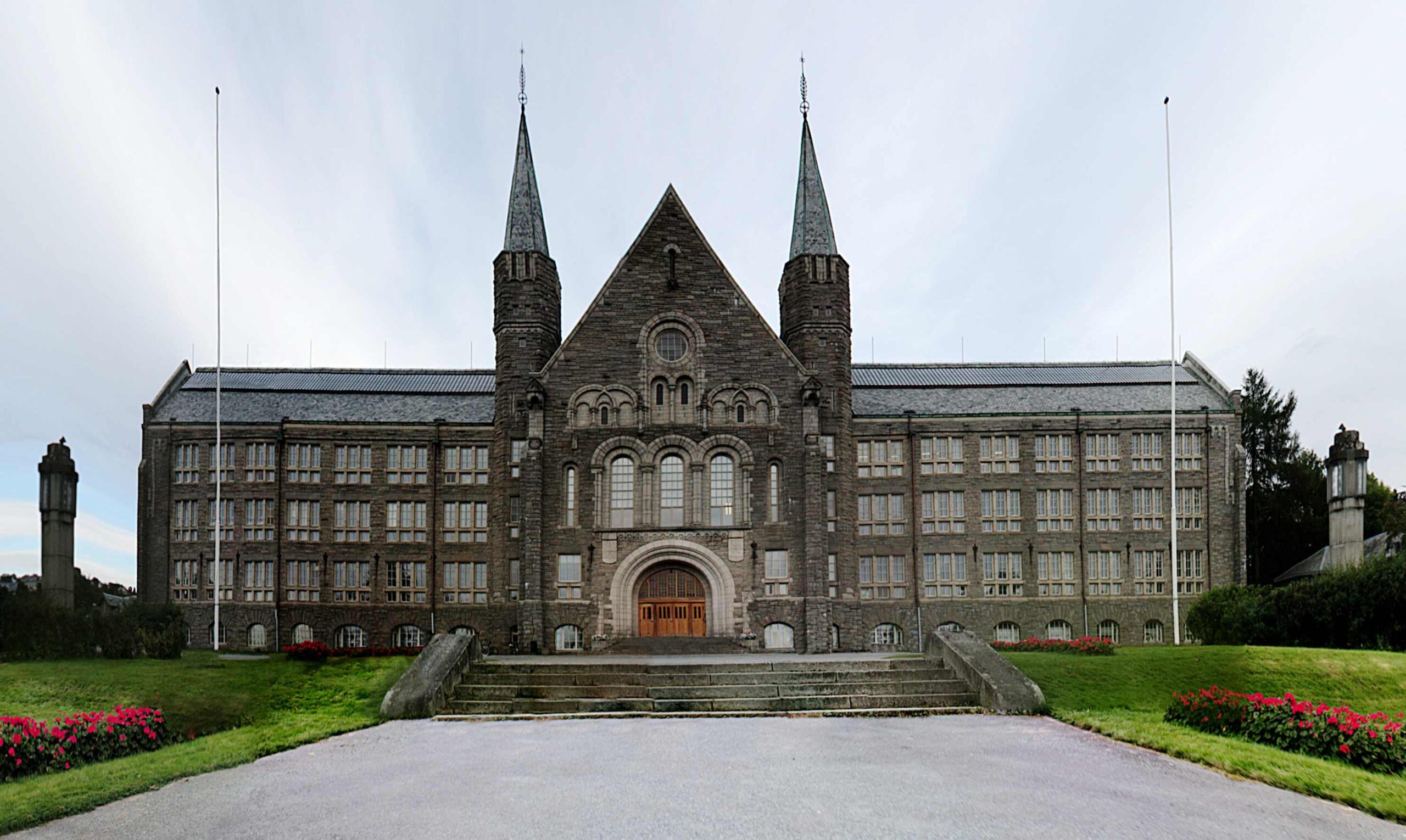
NTNU (Norwegian University of Science and Technology) in Trondheim is renowned for engineering, technology, and natural sciences programmes.
The University of Bergen specialises in marine sciences, petroleum engineering, and international development studies.
Meanwhile, the Norwegian School of Economics (NHH) in Bergen ranks among Europe’s top business schools.
For those interested in Arctic studies and indigenous peoples’ issues, UiT The Arctic University of Norway in Tromsø offers unique programmes unavailable elsewhere.
Steps to Apply for a Norwegian University as an International Student
The admission process that foreign students follow typically begins with research and preparation.
1. Start by identifying universities and programmes that align with your academic goals and career aspirations. Norwegian universities offer diverse programmes across various fields, from renewable energy to Arctic studies.
2. Next, gather all required documents. These usually include academic transcripts, language certificates, letters of recommendation, and a statement of purpose. Furthermore, some programmes may require portfolios, particularly for creative fields like design or architecture.
3. The application deadlines that Norwegian universities set vary, but most programmes have deadlines between December and March for autumn intake. Therefore, planning is crucial to ensure you meet all requirements and deadlines.
4. After submitting your application, the waiting period begins. Universities typically respond between April and June, depending on the programme. Once accepted, you’ll receive an official letter of admission, which is essential for your subsequent visa application.
Read More: Ace The Hospitality Management Personal Statement: Your Career Starts Here
Norwegian Student Visa for Foreigners: Your Path to Legal Study
Obtaining a Norwegian student visa for foreigners involves several steps and requirements.
EU/EEA students enjoy simplified procedures, whilst students from other countries must apply for student residence permits. The student visa application process for studying in Norway begins with gathering the required documents.
You’ll need your passport, admission letter from a Norwegian university, proof of financial support, health insurance, and a completed application form.
Additionally, some applicants may need to provide police clearance certificates. Financial documentation forms a critical component of your application. You must prove you can support yourself during your studies, either through personal funds, scholarships, or guaranteed financial support from family or sponsors.
Processing times for student residence permit Norway applications typically range from two to four months. Therefore, applying as soon as you receive your admission letter is advisable to ensure you receive your permit before your programme begins.
Post-Study Work Visa Norway
Understanding post-study work visa Norway options helps plan your career trajectory after graduation. Norway offers attractive opportunities for international graduates to remain and work after completing their studies.
EU/EEA graduates can remain in Norway indefinitely and work without additional permits. Non-EU/EEA graduates can apply for a job-seeking permit, allowing them to stay for up to one year while searching for employment.
Once you secure employment, you can apply for a work permit, which may eventually lead to permanent residency. Norway’s skills-based immigration system values international graduates, particularly in fields where the country faces skill shortages.
The transition from student to worker is facilitated by Norway’s robust job market and employer familiarity with international students.
Quality of Life Norway Students Enjoy
The quality of life Norway students experience consistently ranks among the world’s best. Norway’s emphasis on work-life balance, environmental protection, and social equality creates an ideal environment for academic pursuits.
Norwegian society values education highly, and students are respected members of the community. Universities provide comprehensive support services, including academic counselling, mental health resources, and career guidance.
The natural environment offers incredible opportunities for outdoor activities. From hiking and skiing to northern lights viewing, Norway’s landscape provides endless exploration possibilities. This natural beauty contributes significantly to student wellbeing and creates lasting memories.
Furthermore, Norway’s progressive values and inclusive society help international students feel welcome and integrated. The high level of English proficiency among Norwegians facilitates communication and social interaction.
Conclusion
Studying in Norway as a foreigner represents an exceptional opportunity to experience world-class education in one of the world’s most progressive societies. The combination of academic excellence, natural beauty, and high quality of life makes studying in Norway as a foreigner an investment in both your education and personal development that will benefit you throughout your career.
FAQs
Can I study in Norway if I only speak English?
Norway is a truly anglophone country. Around 90% of Norwegians speak English, many of them at a very high level. This means you shouldn’t have problems living and studying in Norway as an English speaker.
Is Norway friendly to international students?
Norway is renowned for its high-quality education system, innovative teaching methods and an environment that welcomes international students. Its strong humanistic care also makes it very popular among international students’ choices for studying abroad.
Is it hard to live in Norway as a foreigner?
This is not as difficult as you imagine. If you have legitimate reasons to settle in Norway, such as working or studying, it is very easy to move there. And you will soon discover why moving here is very popular among foreigners.

As the lead contributor to this platform, I bring over 15 years of experience navigating the dynamic landscape of higher education. Through this platform, I deliver rigorously researched content on emerging trends in studying abroad, lifelong learning and cross-cultural competency development. Every article integrates practical knowledge, study resources, and case studies that empower stakeholders to make informed decisions.