Many people believe that studying abroad is exclusively for young university students, but adults study abroad programmes are becoming increasingly popular and accessible. Whether you’re seeking a career change, professional development, or simply fulfilling a lifelong dream, pursuing overseas education for working adults opens doors to opportunities that seemed impossible just a few years ago.
Best Countries for Adult Study Abroad Programmes
The landscape of international education has evolved significantly, with institutions worldwide recognising the unique value that mature learners bring to their programmes.
Today’s global economy rewards professionals who possess international experience, cultural awareness, and diverse skill sets.
Europe: Academic Excellence and Cultural Diversity
Europe consistently ranks among the best countries for adult study abroad programmes due to its combination of world-class universities, affordable education costs, and rich cultural experiences.
1. Germany stands out particularly for its tuition-free public universities, even for international students, making it an attractive destination for budget-conscious adult learners.
The country’s strong economy and emphasis on vocational training create excellent opportunities for professionals seeking career-focused study abroad programmes for adults.
2. France offers exceptional programmes for mature students, particularly in business, arts, and culinary fields.
The French education system accommodates working professionals through evening and weekend classes, while cities like Paris and Lyon provide vibrant international communities that support adult learners.
3. Similarly, the Netherlands has gained recognition for its English-taught programmes and innovative teaching methods that cater specifically to experienced professionals.
Read More: Where to Study in Europe: Uncover Your Ideal Study Abroad Destinations
Singapore
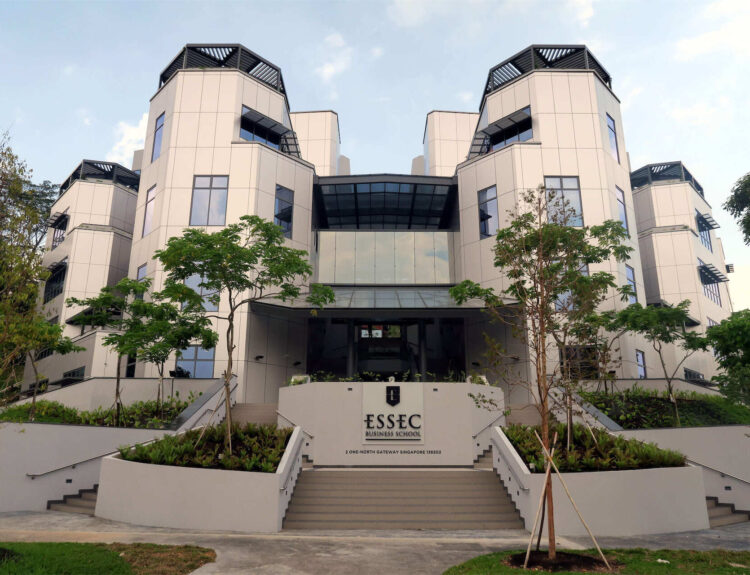
Singapore has emerged as a premier destination for study abroad for over 30, particularly for professionals in technology, finance, and business sectors.
The country’s strategic location, multicultural environment, and strong ties to both Eastern and Western business practices make it ideal for career enhancement.
Australia
Australia continues to attract mature students with its high-quality education system and post-study work opportunities that allow graduates to gain valuable international experience.
New Zealand
New Zealand offers a more intimate study environment with smaller class sizes and personalised attention that many adult learners appreciate.
The country’s focus on sustainable development and innovation attracts professionals looking to transition into emerging industries whilst enjoying an exceptional quality of life.
Read More: New Zealand vs Australia- How to Know Which is better for studying abroad.
Career-Focused Study Abroad Programmes for Adults
Modern international education has evolved to meet the specific needs of working professionals through career-focused study abroad programmes for adults.
These programmes typically emphasise practical skills, industry connections, and real-world applications rather than purely theoretical knowledge.
Many business schools now offer executive education programmes that combine intensive classroom learning with company visits, internships, and networking opportunities.
1. Technology and digital transformation programmes have become particularly popular among adult learners seeking to update their skills for the modern workplace. Countries like Estonia, known for its digital innovation, offer specialised courses in cybersecurity, data analytics, and digital marketing that attract professionals from around the world.
2. Scandinavian countries provide excellent programmes in sustainable business practices and renewable energy technologies.
3. Healthcare professionals often pursue specialised training abroad to learn about different medical systems and advanced techniques.
Countries with renowned healthcare systems, such as Switzerland for pharmaceutical research or Japan for medical technology, attract mature students seeking to enhance their expertise in specific areas.
Affordable Study Abroad Programmes for Working Adults on a Budget
Financial constraints need not prevent adults from pursuing international education, as numerous affordable study abroad programs for working adults on a budget exist worldwide.
Eastern European
Eastern European countries like Poland, the Czech Republic, and Hungary offer high-quality education at significantly lower costs than Western Europe, while maintaining excellent academic standards and providing rich cultural experiences.
Online international courses
Online international courses for adult learners have revolutionised access to global education by eliminating travel and accommodation costs whilst still providing internationally recognised qualifications.
Many prestigious universities now offer hybrid programmes where students complete most coursework online but attend intensive residential modules for hands-on learning and networking.
Other countries to consider
Some of the cheapest countries to study abroad as a self-funded adult with online income include Malaysia, Thailand, and Mexico, where favourable exchange rates and lower living costs make extended study periods financially viable.
These destinations also offer growing economies and emerging industries that provide excellent opportunities for career development and entrepreneurship.
Mature Learner Scholarships for Studying Abroad
Financial concerns often deter adults from pursuing international education, but numerous mature learner scholarships for studying abroad exist specifically for non-traditional students.
The Fulbright Programme offers opportunities for professionals to study or conduct research abroad, whilst organisations like the Rotary Foundation provide funding for graduate-level study that focuses on solving real-world problems.
Many universities have recognised the value of adult learners and created dedicated scholarship programmes. For instance, several European institutions offer reduced tuition rates for students over 25, while some Asian universities provide partial scholarships for professionals with significant work experience.
Additionally, professional associations often sponsor members who wish to pursue continuing education abroad, particularly in fields like healthcare, engineering, and education.
Government-sponsored programmes also provide excellent funding opportunities. The Chevening Scholarships from the UK government specifically target emerging leaders, whilst similar programmes exist in Canada, Australia, and other countries. These scholarships often cover not only tuition fees but also living expenses and travel costs, making international study truly accessible for working adults.
Family Considerations and Practical Planning
Adults considering international study often must navigate complex family responsibilities that younger students typically don’t face.
Family accommodation
Study abroad with family accommodation has become more common as universities recognise that many mature students travel with spouses and children.
Some institutions provide family housing options, whilst others offer assistance in finding suitable accommodation nearby.
Many countries allow student visa holders to include dependent family members in their applications, though specific requirements vary. Spouses may be eligible for work permits, allowing families to maintain their income while the primary applicant studies. Some countries even provide educational opportunities for accompanying children in local or international schools.
Careful financial planning
Careful financial planning becomes essential when considering family needs.
Beyond tuition and personal living expenses, families must budget for dependent housing, healthcare, education costs for children, and potential loss of spousal income during transition periods.
However, many families find that the long-term benefits of international education and exposure justify these initial investments.
Things to Consider When Choosing Adults Study Abroad
Short-Term vs Long-Term Study Options
The choice between short-term courses abroad for professionals and comprehensive degree programmes depends largely on individual circumstances and career objectives.
Short-term intensive programmes, typically lasting from two weeks to six months, suit working adults who cannot take extended career breaks but want to gain specific skills or international exposure.
Executive education programmes, summer intensives, and professional certification courses overseas provide concentrated learning experiences that deliver immediate value to participants’ careers.
These programmes often focus on cutting-edge topics like artificial intelligence, sustainable business practices, or global supply chain management, allowing professionals to stay current with industry trends.
Conversely, longer programmes such as master’s degrees or graduate diplomas abroad for career changers offer more comprehensive transformation opportunities.
These programmes allow for deeper cultural immersion, stronger professional networks, and more substantial credential enhancement. They particularly suit individuals contemplating significant career pivots or seeking advancement to senior leadership positions.
How to Balance Work and Study Abroad as an Adult?
Balancing professional responsibilities with academic pursuits requires careful planning and strategic thinking.
1. Many successful adult students begin by negotiating flexible work arrangements with their current employers, such as remote work options or reduced hours.
Some fortunate professionals even secure employer-sponsored study abroad opportunities, where companies invest in their employees’ development whilst maintaining their employment relationship.
2. The key lies in choosing programmes that align with your professional schedule and personal circumstances. Part-time study options for adults overseas have expanded significantly, with many universities offering evening classes, weekend intensives, and blended learning formats that combine online and in-person instruction.
These flexible arrangements allow working adults to maintain their income while pursuing their educational goals.
3. Effective time management becomes crucial when juggling multiple responsibilities. Successful adult students often recommend creating detailed schedules, utilising productivity tools, and establishing clear boundaries between work, study, and personal time.
4. Building a support network of fellow students, family members, and colleagues also proves invaluable during challenging periods.
Are There Age Restrictions for Studying Abroad as an Adult?
Contrary to common misconceptions, most countries impose no specific age limits for student visas when it comes to legitimate educational pursuits.
However, adult student visa requirements for international study can vary significantly between countries and programme types. Generally, visa officers assess applications based on the genuineness of intent to study, financial capacity, and likelihood of returning to the home country after completion of studies.
Some countries do have practical considerations that may affect older applicants. For example, certain health insurance requirements or medical examinations might be more stringent for applicants over specific ages.
Additionally, some scholarship programmes or student exchange agreements may have age caps, but these restrictions apply to funding rather than study permissions themselves.
The most important factor for mature students is demonstrating clear educational objectives and showing how the proposed study relates to their career goals or personal development plans.
Immigration authorities typically view adult applicants favourably when they can articulate specific reasons for their educational choices and provide evidence of their commitment to completing their studies successfully.
Professional Skills Enhancement Through Study Abroad
International education provides unique opportunities for professional skills enhancement through study abroad that simply cannot be replicated in domestic settings.
1. Working in multicultural environments, adapting to different business practices, and communicating across language barriers develop critical soft skills that employers increasingly value in today’s globalised economy.
2. Leadership programmes abroad often incorporate experiential learning through community projects, business simulations, and cross-cultural team challenges.
These experiences help participants develop emotional intelligence, adaptability, and a global mindset – qualities that are essential for senior leadership roles in international organisations.
3. Language acquisition represents another significant benefit of studying abroad as an adult. Unlike younger students who might focus primarily on conversational skills, mature learners typically develop professional-level language competencies that directly enhance their career prospects.
Being able to conduct business meetings in Mandarin, negotiate contracts in German, or present research findings in French can dramatically expand professional opportunities.
Adults with No Prior Degree Study Abroad
Many adults assume that lacking a traditional university degree disqualifies them from international study opportunities, but can adults with no prior degree study abroad?
The answer is increasingly yes, as alternative pathways and recognition of prior learning have expanded access to international education.
Vocational and technical colleges worldwide accept students based on work experience, professional certifications, and demonstrated competencies rather than requiring formal academic credentials.
Countries like Australia and Canada have particularly progressive recognition of prior learning (RPL) systems that evaluate professional experience and translate it into academic credits.
One-year vocational courses abroad with job placement for career switchers represent excellent opportunities for adults without degrees to gain internationally recognised qualifications whilst developing practical skills in high-demand fields.
These programmes often include guaranteed work placements and pathways to permanent residency, making them attractive options for comprehensive life changes.
Read More: Understanding the Minimum PTE Score for a Canadian Student Visa
Future Trends in Adults Study Abroad Education
The landscape of adults study abroad education continues evolving rapidly, driven by technological advances, changing workforce demands, and shifting demographics.
1. Post-employment study abroad trends indicate growing interest among recently retired professionals who seek intellectual stimulation and cultural experiences without career pressure.
2. Retirement study abroad programmes specifically cater to older adults who want to pursue lifelong learning in stimulating international environments.
These programmes often combine academic study with cultural activities, social engagement, and wellness initiatives designed for mature participants.
3. The integration of virtual and augmented reality technologies promises to enhance online international courses for adult learners, providing immersive experiences that bridge the gap between remote and in-person education.
These innovations will likely make international education more accessible and flexible for working adults worldwide.
Remote Work While Studying Abroad
The global shift towards remote work has created unprecedented opportunities for adults to pursue international education without completely abandoning their careers.
Remote work while studying abroad allows professionals to maintain their income streams while gaining international qualifications and cultural experiences.
However, this arrangement requires careful consideration of tax implications, work permit requirements, and time zone challenges. Some countries have specific visa categories for digital nomads or remote workers, while others may require students to obtain additional work authorisation even for employment with foreign companies.
Successful remote work students often recommend establishing clear boundaries between work and study time, investing in reliable internet connections, and communicating proactively with employers about scheduling constraints.
The key lies in demonstrating continued productivity and value to employers whilst pursuing personal development goals.
Making Your Dream a Reality
Pursuing international education as a mature student requires courage, planning, and persistence, but the rewards extend far beyond academic credentials.
Adults study abroad experiences typically transform participants’ perspectives, expand their professional networks, and enhance their confidence in tackling new challenges.
The key to success lies in thorough research, careful planning, and realistic goal-setting.
1. Start by identifying your specific objectives, whether career advancement, personal growth, or cultural exploration.
2. Research programmes and destinations that align with your goals, budget, and family circumstances.
3. Connect with alumni and current students to gain insights into programme quality and student support services.
Remember that studying abroad as an adult offers unique advantages that younger students cannot replicate. Your professional experience, life skills, and clear sense of purpose will serve you well in international academic environments.
Conclusion
The opportunities for adults study abroad have never been more diverse, accessible, or valuable than they are today.
With careful planning, realistic budgeting, and clear objectives, adults study abroad programmes can provide the catalyst for achieving goals that once seemed impossible, proving that it’s never too late to invest in yourself and embrace new adventures in learning and growth.
FAQs
Can I study abroad as a mature student?
The truth is, studying abroad has no age limit — many programmes welcome older adults who aren’t necessarily looking to earn credits or complete a degree. It’s never too late to consider studying abroad!
Is it worth it to study abroad as an adult?
Studying abroad offers a wide range of academic and career opportunities. It allows students to access world-class education and programmes that may not be available in their home country. It exposes them to different research approaches and specialised courses that enhance their knowledge and work skills.
Why do people study abroad?
It’s for networking and opening your horizons. Folks who have studied overseas have a generally more mature perspective on life and a more varied way of thinking.

As the lead contributor to this platform, I bring over 15 years of experience navigating the dynamic landscape of higher education. Through this platform, I deliver rigorously researched content on emerging trends in studying abroad, lifelong learning and cross-cultural competency development. Every article integrates practical knowledge, study resources, and case studies that empower stakeholders to make informed decisions.