If you’re wondering ‘Is Poland a good place to live’, you’re certainly not alone in considering this vibrant Central European nation as your next home. With its rich history, modern cities, and welcoming culture, Poland offers a compelling blend of tradition and progress that appeals to international residents.
Look below and find out what makes Poland a good place to live now!
Pros of Living in Poland: What Makes It Attractive
Poland has emerged as one of Europe’s most attractive destinations for expats, digital nomads, and families seeking a high quality of life without the hefty price tag of Western Europe. Poland stands out in Central Europe for several compelling reasons that make it increasingly popular among international residents.
Affordable living & Strategic location
Firstly, the country offers excellent value for money compared to Western European nations, whilst still providing modern amenities and infrastructure.
Poland’s strategic location provides easy access to other European countries, making it an ideal base for those who enjoy travelling.
lifestyle and culture
The Polish lifestyle and culture seamlessly blend traditional values with modern European sensibilities.
Consequently, expats often find themselves welcomed into communities that value family, friendship, and cultural exchange.
The country’s rich history is evident everywhere, from medieval castles to vibrant city centres that have been beautifully restored following extensive urban regeneration projects.
Quality of life in Poland
Quality of life in Poland review consistently shows positive trends across multiple indicators.
The healthcare system, while evolving, provides comprehensive coverage for residents. Similarly, the education system maintains high standards, particularly in technical and scientific fields.
These factors contribute significantly to Poland’s appeal as a long-term residence option.
Cost of Living Poland vs Western Europe: A Detailed Breakdown
One of the most significant advantages of living in Poland is the cost of living for expats, which remains considerably lower than in most Western European countries.
Poland’s cost of living breakdown reveals that housing, food, and entertainment expenses are typically 30-50% lower than comparable cities in Germany, France, or the United Kingdom.
Poland housing affordability
Poland housing affordability varies significantly between cities, with Warsaw and Krakow commanding premium prices, while smaller cities offer excellent value.
Rental costs in major cities typically range from €400-800 for a one-bedroom apartment, depending on location and quality.
Meanwhile, purchasing property remains accessible, with many expats successfully buying homes within their first few years of residence.
Daily expenses
Daily expenses such as groceries, public transport, and dining out remain remarkably affordable.
A typical grocery shop for one person costs approximately €30-40 per week, while restaurant meals range from €5-15 for local cuisine.
Public transportation in Poland is both efficient and economical, with monthly passes typically costing under €25 in major cities.
Is Poland a nice place to live? 2025 budget
The practical question of “Can you live comfortably in Poland on €1,500/month outside Warsaw?” has a generally positive answer.
Outside the capital, this budget allows for comfortable living, including rent, utilities, food, and entertainment for a single person.
However, families or those preferring premium accommodation may require higher budgets.
Read More: Where to Study in Europe: Uncover Your Ideal Study Abroad Destinations
Comparing Poland to Western European Alternatives
How does the cost of living in Poland compare to Germany?
Poland typically offers 40-50% lower living costs while providing a comparable quality of life in many areas.
Housing, food, and entertainment expenses are significantly reduced, whilst salaries, particularly in professional sectors, remain competitive relative to local costs.
This cost advantage allows many expats to enjoy higher living standards than they might achieve in more expensive European countries.
Additionally, Poland’s central location provides easy access to other European destinations for travel and business opportunities.
The combination of EU membership benefits, lower costs, and improving infrastructure makes Poland an increasingly attractive alternative to traditional expat destinations like Germany, France, or the United Kingdom.
Read More: Essential German Cultural Exchange Tips for Teens: 2025 Complete Guide
Safety and Security: Is Poland good place to live for Single Women
Poland’s safety and crime rate for residents ranks favourably compared to many European countries, with violent crime rates remaining consistently low.
The country maintains a strong rule of law, effective policing, and generally safe public spaces. Particularly encouraging is that Poland is safe for single women to live in, with most female expats reporting feeling secure walking alone, even during evening hours in major cities.
Safety and lifestyle in Poland
Safety and lifestyle in Poland benefit from the country’s cultural emphasis on community and mutual respect.
1. Street harassment is relatively uncommon, and public transport is generally safe at all hours.
2. Polish society tends to be helpful towards foreigners, with many locals willing to assist when language barriers arise.
3. Emergency services are reliable and responsive, while healthcare facilities are readily accessible in urban areas.
The European emergency number (112) works throughout Poland, and many operators speak English.
4. The country’s EU membership ensures that emergency protocols meet European standards.
Poland Healthcare System Quality for International Residents
Poland’s healthcare system quality has improved significantly over the past decade, particularly in urban areas where modern facilities and equipment are widely available.
The public healthcare system (NFZ) provides comprehensive coverage for residents with valid insurance, including preventive care, specialist treatments, and emergency services.
Does Poland have good healthcare for expats?
The answer largely depends on your location and insurance arrangements.
Urban centres like Warsaw, Kraków (Krakow/Cracow), and Gdansk offer excellent private healthcare options alongside public services.
Many international residents opt for private health insurance, which provides faster access to specialists and English-speaking medical professionals.
Prescription medications are generally affordable and widely available, with many international brands readily accessible.
Dental care, while not always covered by public insurance, remains reasonably priced compared to Western European standards.
Emergency treatment is always available regardless of insurance status, ensuring that immediate medical needs are met.
Poland Education System for International Students and Families
Poland’s education system for international students offers numerous advantages, particularly in higher education, where several universities rank among Europe’s top institutions.
The University of Warsaw, Jagiellonian University, and Warsaw University of Technology attract thousands of international students annually, offering programmes in English across various disciplines.
| University Name | QS World Ranking 2025 | Popular English-Taught Programmes |
|---|---|---|
| University of Warsaw | 258 | International Business, Psychology, European Governance, Computer Science |
| Jagiellonian University | 312 | Medicine (6-year MD), European Studies, Data Science, International Relations |
| Warsaw University of Technology | 527 | Robotics Engineering, Sustainable Energy Engineering, Aerospace Engineering, Data Analytics |
| University of Gdańsk | 851-900 | Marine & Environmental Science, International Business & Finance, Philology (English Studies), Sustainable Management |
| Wrocław Univ. of Environmental & Life Sciences | / | Environmental Engineering, Organic Agriculture, Animal Science, Climate Change Protection |
| Poznań University of Life Sciences | 851-900 | Forestry, Horticulture, Food Technology, Renewable Energy Systems |
| Univ. of IT & Management (Rzeszów) | / | Aviation Management (No. 1 in Poland), Data Science, International Logistics, FinTech |
| University of Zielona Góra | / | Medical Foundation Year, Automation & Robotics, Civil Engineering, Computer Science |
Is the education system in Poland suitable for international students?
Absolutely, with over 70,000 international students currently enrolled in Polish universities.
Tuition fees remain competitive compared to other European countries, while the quality of education meets high international standards.
Many programmes are specifically designed for international students, including business, engineering, and medical degrees taught entirely in English.
For families with children, Poland offers both public and private schooling options.
International schools in major cities provide curricula in English, following British, American, or International Baccalaureate programmes.
Public schools are generally well-regarded, though language barriers may initially challenge non-Polish-speaking children.
Read More: Study Abroad on Exchange in Europe to Master Your Academic Journey
Poland Job Market for Foreigners and Career Opportunities
Poland’s job market for foreigners has expanded dramatically, particularly in the technology, finance, and business services sectors.
Major cities host numerous multinational corporations, offering excellent career advancement opportunities for qualified professionals.
The startup ecosystem in Warsaw is particularly vibrant, attracting entrepreneurs and investors from across Europe.
| Occupation | Sector | Average Monthly Salary (Gross) | Net Equivalent (approx.) | Key Requirements |
|---|---|---|---|---|
| Software Developer | IT & Technology | PLN 15,000-25,000 | PLN 10,500-17,500 | Programming languages (Python, Java), Agile methodology |
| Registered Nurse | Healthcare | PLN 7,200-9,800 | PLN 5,300-7,100 | Nursing licence, Polish medical certification |
| Mechanical Engineer | Manufacturing & Energy | PLN 10,500-16,000 | PLN 7,800-11,500 | Engineering degree, CAD proficiency |
| Financial Analyst | Finance & Banking | PLN 12,000-18,000 | PLN 8,600-12,900 | CFA/ACCA qualifications, Excel/ERP systems |
| Sales Manager | Retail & Commerce | PLN 11,000-20,000 + bonuses | PLN 8,000-14,000 + bonuses | Leadership experience, Polish + English fluency |
| HVAC Technician | Construction & Trades | PLN 6,500-10,000 | PLN 5,000-7,500 | Vocational certification, F-gas licence |
| English Teacher | Education | PLN 4,500-8,000 | PLN 3,500-5,800 | CELTA/TEFL certification, native-level English |
| Logistics Coordinator | Transport & Shipping | PLN 6,000-9,500 | PLN 4,700-7,000 | SAP/WMS knowledge, supply chain experience |
How easy is it for a foreigner to find a job in Poland?
The ease depends largely on your skills, language abilities, and chosen sector.
IT professionals, engineers, and business specialists generally find abundant opportunities, while roles requiring fluent Polish may be more challenging for newcomers.
However, many international companies operate primarily in English, creating opportunities for non-Polish speakers.
Is Poland good for IT professionals with families?
Undoubtedly, yes. The country has become a major tech hub, with competitive salaries, an excellent work-life balance in Poland, and family-friendly policies.
Many tech companies offer flexible working arrangements, comprehensive benefits, and opportunities for professional development.
The schools vs salary equation typically works favourably, with good educational options available at reasonable costs relative to IT sector salaries.
Quality of Life in Kraków and Major Polish Cities
Quality of life in Kraków exemplifies why Poland attracts so many international residents.
This historic city combines UNESCO World Heritage architecture with modern amenities, creating an exceptional living environment.
The city offers excellent restaurants, cultural attractions, and outdoor activities while maintaining a human scale that promotes community connections.
Warsaw vs Kraków for digital nomads: Coworking costs & visa support 2025
Warsaw offers more corporate opportunities and coworking spaces, with monthly memberships ranging from €80-150.
Kraków provides a more relaxed atmosphere with lower costs—coworking spaces typically cost €60-120 monthly, while still offering excellent digital infrastructure.
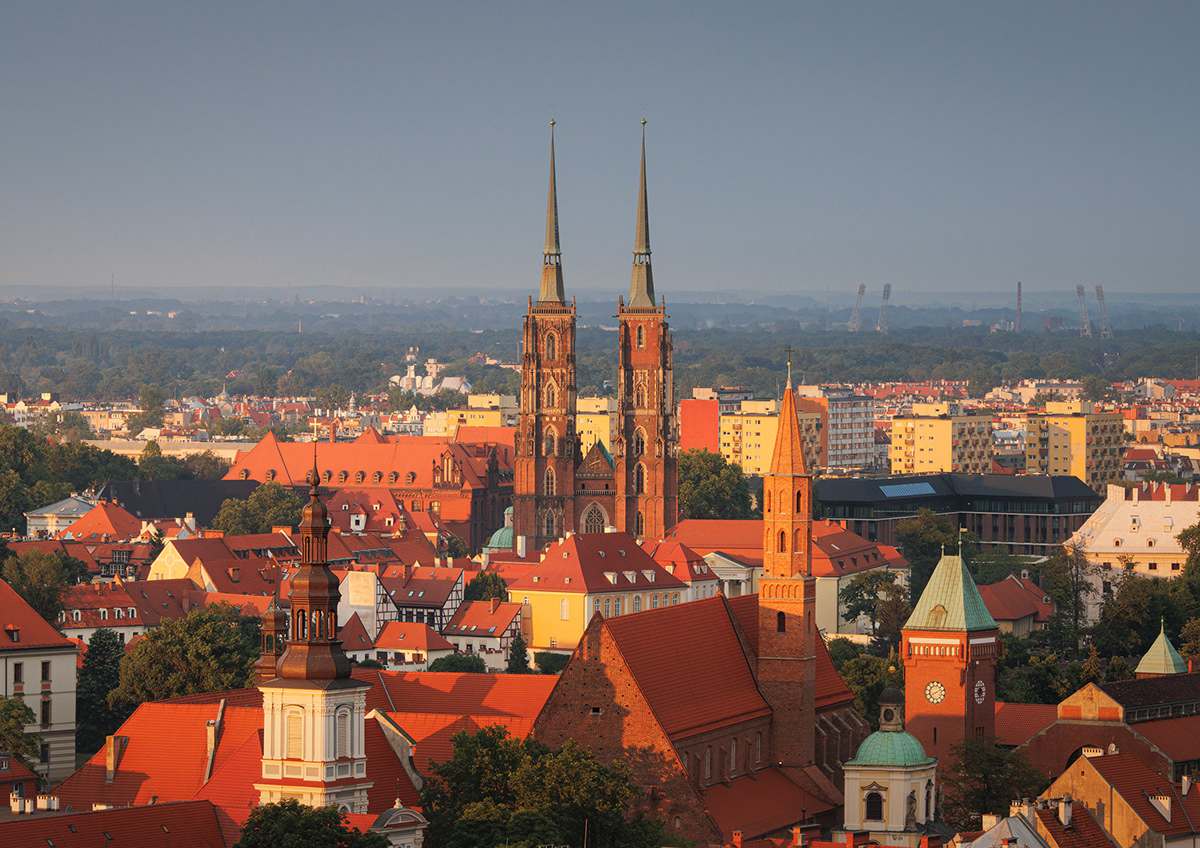
What is the cost of living in Wrocław, Poland?
This question frequently arises as Wrocław (Wratislavia/Breslau) gains recognition as an excellent alternative to larger cities.
Housing costs are approximately 20-30% lower than in Warsaw, whilst salaries in the tech and business sectors remain competitive.
A comfortable lifestyle in Wrocław typically requires €800-1,200 monthly for a single person, including accommodation.
Moving to Poland as a Foreigner: Practical Considerations
Moving to Poland as a foreigner requires careful planning but is generally straightforward, particularly for EU citizens who enjoy freedom of movement.
The bureaucratic processes, whilst sometimes time-consuming, are well-established and manageable with proper preparation.
Visa requirements to live in Poland long-term
1. EU citizens require only valid identification to reside permanently, while non-EU citizens must typically obtain residence permits.
2. Digital nomad visa options are expanding, with new regulations making it easier for remote workers to establish temporary or long-term residence.
3. EU residency benefits in Poland include healthcare access, education opportunities, and the right to work without additional permits.
4. Polish residence can serve as a pathway to EU citizenship, providing long-term security and mobility throughout Europe.
Climate in Poland for Expats: What to Expect
The climate in Poland for expats features a temperate continental climate with four distinct seasons.
Summers are generally warm and pleasant, with temperatures ranging from 20-25°C, whilst winters can be cold, with temperatures often dropping below freezing.
Snow is common between December and March, particularly in mountainous regions.
Climate challenges in Poland primarily involve adapting to potentially harsh winters, especially for those from warmer climates.
However, buildings are well-heated, and cities are efficiently cleared of snow. Many expats grow to appreciate the seasonal changes, enjoying winter sports opportunities and the beauty of snowy landscapes.
Spring and autumn are particularly pleasant, with mild temperatures and beautiful scenery.
The country’s diverse geography offers everything from Baltic coastlines to Carpathian mountains, providing varied climate experiences within relatively short distances.
Read More: Adapting to Cold Climate Abroad: Strategies for Students with Weak Immune Systems
Expat Communities and Cultural Integration
1. English-speaking communities in Poland for expats
With vibrant international communities in all major cities, expat communities in Warsaw are particularly well-established, offering networking opportunities, social events, and practical support for newcomers.
These communities often organise regular meetups, professional networking events, and cultural activities.
2. Cultural integration experiences vary among expats. However, most report positive interactions with Polish locals.
Learning basic Polish language skills significantly enhances integration opportunities, though many situations can be navigated in English, particularly in business contexts.
Polish culture values directness, punctuality, and respect for tradition, which many international residents find refreshing.
The emphasis on family and community creates opportunities for meaningful relationships, while the country’s rich cultural scene provides endless exploration opportunities.
Challenges and Considerations for Potential Residents
Despite numerous advantages, living in Poland does present certain challenges that potential residents should consider.
1. Language barriers can initially complicate bureaucratic processes and social integration, though younger Poles generally speak excellent English.
2. Bureaucracy, while improving, can still be complex and time-consuming, particularly for non-EU citizens navigating residence permit processes.
Additionally, some services and customer support may not always meet the standards expected by those accustomed to highly developed service sectors.
3. Weather adaptation represents another consideration, particularly for those from consistently warm climates.
However, most expats successfully adjust, and many grow to appreciate the seasonal variety.
Final Verdict: Is Poland a Nice Place to Live?
After examining all factors, ‘Is Poland a nice place to live?’ emerges as a resounding yes for many international residents.
The country successfully combines European living standards with affordable costs, creating opportunities for enhanced quality of life.
Poland’s economic growth, political stability, and EU membership provide long-term security for those considering permanent relocation.
The question of ‘Is Poland a good place to live’ ultimately depends on your circumstances, career goals, and lifestyle preferences.
However, the country’s combination of cultural richness, economic opportunity, and practical advantages makes it an excellent choice for many expats, families, and professionals seeking a new European home.
FAQs
Is Poland good for jobs?
Poland has a stable and growing economy, with a strong demand for skilled workers, particularly in IT, engineering, finance, and healthcare. While salaries may be lower than in Western Europe, they are often higher than in most areas globally, especially for skilled professionals.
Is it worth it to live in Poland?
Is Poland A Good Place To Live? Yes. Living in Poland offers a unique blend of traditional charm and modern lifestyle, rendering it an attractive relocation choice for many singles, couples and families.
Is English enough to live in Poland?
It would be best if one could learn the local language, at least for daily communication. That’s because only around 30–35% of people living there speak English, and their language levels can vary a lot.

As the lead contributor to this platform, I bring over 15 years of experience navigating the dynamic landscape of higher education. Through this platform, I deliver rigorously researched content on emerging trends in studying abroad, lifelong learning and cross-cultural competency development. Every article integrates practical knowledge, study resources, and case studies that empower stakeholders to make informed decisions.