Poland has emerged as one of Europe’s most dynamic job markets in 2025, offering exceptional opportunities for both local and international professionals.
With over 100,000+ job vacancies available and a stable economy that weathered recent global challenges better than most EU countries, Poland represents a compelling destination for career advancement.
Why Poland Now?
The combination of labour shortages, economic growth, and digital transformation has created a perfect storm of opportunity, making 2025 an ideal time to pursue career opportunities in Poland.
1. Economic Resilience: Poland’s GDP is projected to grow by 3.6% in 2025, significantly higher than the eurozone’s expected growth of 1.0%.
2. Labour Shortage: Unemployment rates hovering around 3.5-4% create high demand for skilled workers across sectors.
3. Digital Transformation: AI adoption in Poland has reached 36%, the highest rate in the EU.
4. Foreign Investment: Major international corporations continue expanding operations, particularly in technology and finance.
White Collar Roles
High-Demand Jobs in Poland: 1. Software Developer
Extremely High Average Salary: PLN 6,000–12,000/month (€1,300–2,600)
Software developers remain among the most sought-after professionals in Poland.
Key programming languages in high demand include JavaScript and its frameworks (React, Angular, Vue.js), Python, Java, .NET, and PHP.
Poland’s technology sector is ever-evolving, with well-developed infrastructure making it attractive for business and investment.
Major companies like Google, Microsoft, and Intel have established significant R&D operations in Poland.
High-Demand Jobs in Poland: 2. Data Scientist & AI/ML Specialist
Extremely High Average Salary: PLN 13,000-20,000/month median (down from recent highs but still competitive)
There was a 68% increase in demand for AI-related jobs in 2023 compared to the previous year, with job offers requiring Natural Language Processing (NLP) skills being 195% more sought after.
| Skills in Demand | |
| 1 | Machine learning algorithms |
| 2 | Natural language processing |
| 3 | Data analysis and visualisation |
| 4 | Python, R, SQL |
| 5 | Cloud platforms (AWS, Azure, GCP) |
High-Demand Jobs in Poland: 3. Cybersecurity Expert
Very High Average Salary: PLN 8,000–15,000/month
With the rise of cyber threats, organisations are prioritising the protection of their digital assets. Poland’s growing digital economy requires a robust cybersecurity infrastructure.
High-Demand Jobs in Poland: 4. Finance & HR Professionals
High Average Salary:
| Financial Analysts | PLN 7,000–11,000/month |
| Investment Bankers | PLN 250,000–500,000 annually with performance bonuses |
| HR Managers | PLN 6,000–10,000/month |
Financial analysts are in high demand, especially in major cities like Warsaw and Kraków, where multinational corporations such as JP Morgan and Goldman Sachs have offices.
Blue Collar & Skilled Trades
Poland has seen a consistent demand for skilled trades and blue-collar workers, especially in construction, manufacturing, and logistics.
High-Demand Jobs in Poland: 5. Electrician, Plumber, Construction Worker
Very High Average Salaries:
| Electricians | Monthly salary between 2,300–4,000 PLN, depending on experience and certifications like the SEP license. |
| Plumbers | Median salary of around 5,940 PLN/month |
| Construction Workers
(masons, carpenters, roofers, and tilers) |
Between 1,700–4,800 PLN, with pay varying by specialisation and project type. |
1. Electricians: High demand due to the rapid growth of Poland’s construction industry and increasing infrastructure projects.
2. Plumbers: Strong, consistent demand
3. Construction Workers: The booming construction industry is driven by both residential and commercial projects, with government investments in infrastructure fueling demand.
Read More: Plumber Jobs in Europe: 2025 Guide to Opportunities, Salaries & Requirements
High-Demand Jobs in Poland: 6. Welder, Forklift Operator, Truck Driver
| Welders | 2,900–4,500 PLN, especially those with certified skills in MIG, TIG, or arc welding. |
| Warehouse Workers | 2,100–7,000 PLN/month, with salaries rising based on shift work and location. |
| Truck Drivers | Approximately 5,000–7,000 PLN/month or more, especially if licensed for international routes |
1. Welders: Poland’s manufacturing sector, particularly automotive and machinery production, heavily relies on welders.
2. Warehouse Workers: The rise of e-commerce and the expansion of logistics companies have created a surge in demand.
3. Truck Drivers: Critical for Poland’s position as a logistics hub in Central Europe
Blue-collar positions in Poland are experiencing a resurgence in 2025, offering competitive salaries and stable career paths due to ongoing infrastructure projects and a construction boom in major Polish cities.
These roles typically require vocational certifications and basic communication skills in Polish or English, but offer accessible career paths for foreigners seeking reliable income and work visa sponsorship.
Emerging & Green Technologies Roles
High-Demand Jobs in Poland: 7. Renewable Energy Engineer
Growing Rapidly Average Salary: PLN 9,000–17,000/month
Poland has 4 active renewable energy job listings on major European platforms, with opportunities in solar, wind, and battery storage projects.
The country is investing heavily in energy transition as part of the EU climate goals.
Key Areas: Solar energy systems design, Wind farm development, Energy storage solutions and Grid integration technologies
High-Demand Jobs in Poland: 8. Sustainability / ESG Specialist
High Growth Average Salary: PLN 7,000–12,000/month
ESG Analyst Certification holders earn an average of $95,000 (approximately PLN 380,000 annually), with certification costs around $2,000. There are currently 1,291 sustainability jobs available in Poland.
| Skills Required | |
| 1 | ESG reporting frameworks |
| 2 | Carbon accounting |
| 3 | Sustainability strategy development |
| 4 | Regulatory compliance |
| 5 | Stakeholder engagement |
High-Demand Jobs in Poland: 9. Automation / Mechatronics Technician
High Average Salary: Up to PLN 17,250/month for automation engineers.
Poland’s Industry 4.0 transformation drives demand for professionals who can design, install, and maintain automated systems in manufacturing environments.
In-Demand Skills Across Industries
Technical Skills
Key industries driving demand include defence, manufacturing, and finance, with employers offering an average salary increase of 28% to attract qualified candidates with AI, cybersecurity, and data analysis skills.
Most Sought-After Technical Skills:
1. Programming: JavaScript, Python, Java, .NET, PHP
2. Cloud Platforms: AWS, Azure, Google Cloud
3. Data Tools: SQL, Power BI, Tableau
4. Cybersecurity: Penetration testing, risk assessment
5. AI/ML: Machine learning algorithms, neural networks
Soft Skills
Essential Soft Skills:
1. Punctuality is a sign of respect and professionalism, deeply ingrained in workplace etiquette. Networking is a cornerstone of career advancement in Poland.
2. Strong communication (English + Polish)
3. Cultural adaptability
4. Problem-solving
5. Project management
6. Leadership and teamwork
Language Requirements
Over 70% of Polish IT specialists use English at the B2/C1 level.
However, Polish language skills significantly expand opportunities, especially in client-facing roles and traditional industries.
Read More: Does Your H1B Visa Need IELTS? The Complete 2025 Guide to English Requirements
Salary Ranges & Regional Job Hubs
National Salary Overview
The average salary in Poland is PLN 7,590-8,181 per month (approximately $1,917-2,107 USD). The median salary is PLN 6,540-6,641 per month.
Salary by Experience Level
| Entry-Level (0-2 years) | PLN 3,500–5,000/month |
| Mid-Level (3-5 years) | PLN 6,000–9,000/month |
| Senior-Level (5+ years) | PLN 10,000–20,000/month |
Major Regional Job Hubs
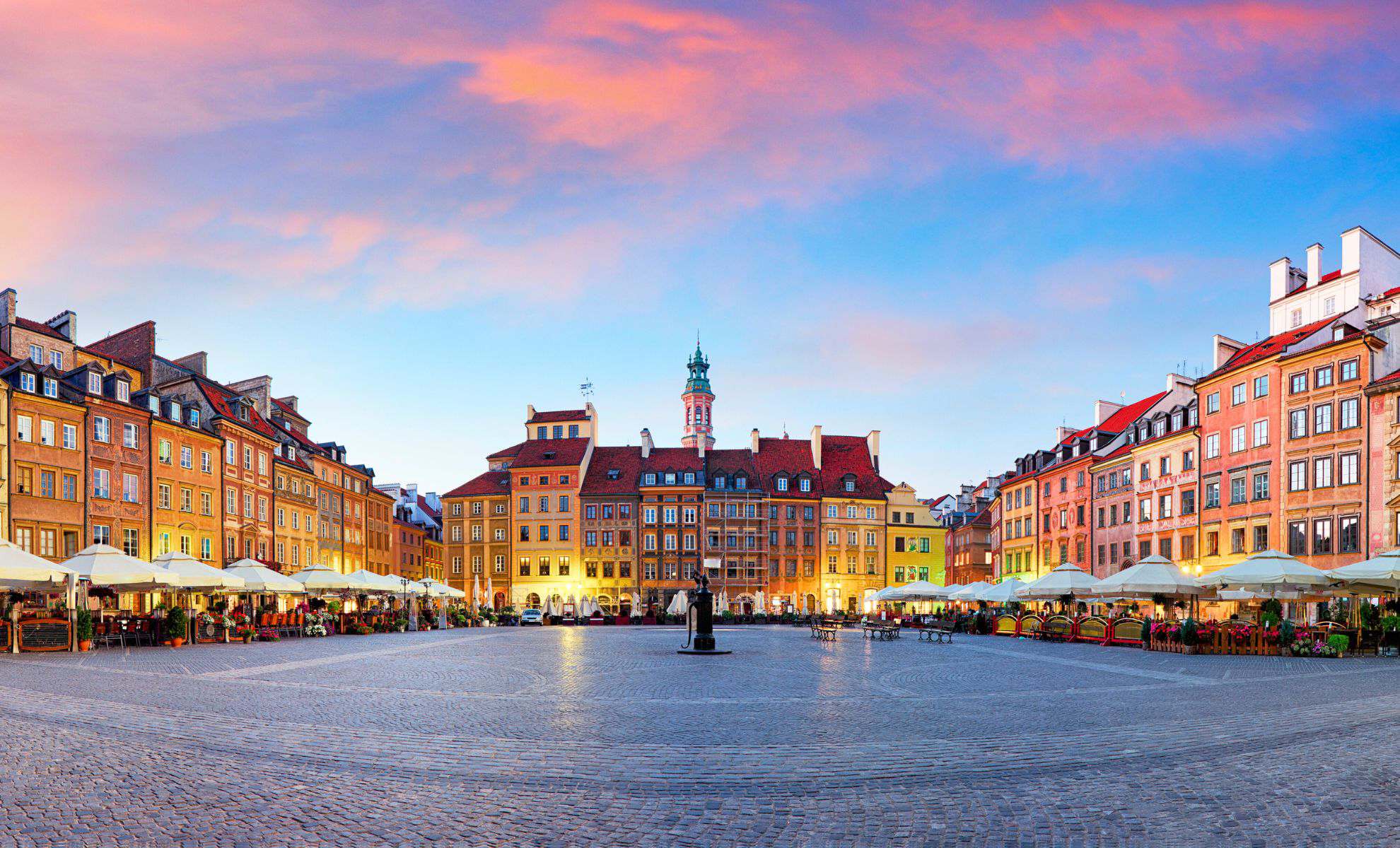
1. Warsaw (Mazowieckie)
Trade, services, financial activities, industrial manufacturing, construction, and modern technologies (Google, Amazon).
Bustling corporate scene with quick access to international partners.
218 out of 256 companies employing more than 1,000 people have registered offices in Warsaw.
The highest concentration of multinational corporations.
2. Kraków (Małopolskie)
IT Talent Pool: 42,000 IT professionals with 2,000 ICT graduates yearly.
Strong academic foundations and historic commitment to cultural and scientific pursuits, with particularly strong R&D centres.
Recognised as one of Europe’s top 60 startup and scale-up cities.
Lower cost of living compared to Warsaw.
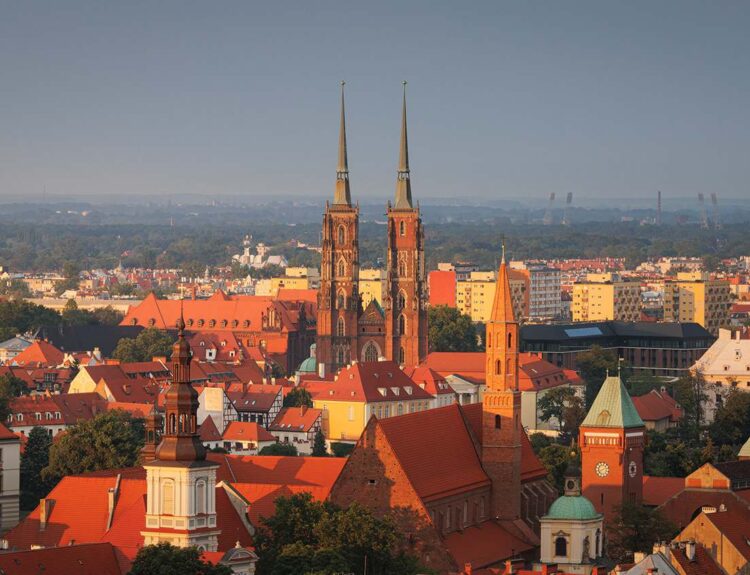
3. Wrocław (Lower Silesia)
IT Talent Pool: 30,000 IT professionals with 1,050 ICT graduates yearly.
Known for cooperation with local authorities to create a healthy business environment and for collaboration with local universities.
Active tech community, particularly strong in software and telecommunications.
Growing startup ecosystem
4. Tri-City (Gdańsk, Gdynia, Sopot)
IT Talent Pool: 37,900 software developers Key Industries: Maritime, logistics, technology
High accessibility by train and the highest availability of offices across the country
Strategic location for Baltic Sea trade
Growing tech sector with Intel R&D presence
5. Poznań & Katowice (Emerging Hubs)
Offer lower operating costs and growing pools of skilled workers, making them attractive options for certain industries.
Work Visas & Authorisation Steps
Work Permit Types
1. Type A Work Permit: Most common permit for foreign employees whose employer is based in Poland, valid for up to three years
2 EU Blue Card: For highly skilled non-EU professionals with a higher education degree and a job offer with a monthly gross salary of PLN 12,272.58.
Application Process
The process starts with a job offer from a Polish employer, followed by the employer submitting a work permit application to the local voivodeship office.
Step-by-Step Process:
1. Secure Job Offer: Target skill shortage roles using platforms like pracuj.pl, infopraca.pl, and kariera.pl.
2. Employer applies for Work Permit: Processing time is 4-8 weeks, depending on complexity.
3. Employee applies for a Visa: Visa applications through consulates usually take 2-4 weeks.
4. Temporary Residence Permit: Required for stays longer than 90 days.
Required Documents
Required documents include a valid passport, a signed employment contract, a completed visa application form, proof of health insurance covering at least €30,000, and recent photographs.
Visa Fees
Work permit fees are expected to align with the minimum wage (currently PLN 4,666/month) pending approval by the Labour Ministry.
2025 Policy Changes
Starting January 1, 2025, employers can no longer hire foreign workers under civil law contracts. All work permits must be tied to formal employment contracts.
Key Updates for 2025:
1. Implementation of the MOS (Moduł Obsługi Spraw) platform for electronic submission of applications
2. Increased work permit fees expected to align with minimum wage
3. Labour market test being replaced with a protected professions list on May 1, 2025
Read More: Albania Work Visa 2025: Guide to Securing Your Job
How to Stand Out: Language, Certifications, Training
Language Requirements
English Proficiency: Over 70% of Polish IT specialists use English at the B2/C1 level.
Polish Language: While not always mandatory, Polish skills significantly improve job prospects and salary potential.
High-Value Certifications
Technology Certifications:
1. Professional certifications such as AWS Certified Solutions Architect.
2. Microsoft Certified: Azure Fundamentals, and Cisco’s CCNA can boost salaries in tech roles.
Green Skills Certifications
Top ROI sustainability certifications include:
1. LEED Accredited Professional: $76,000 average salary.
2. ESG Analyst Certification: $95,000 average salary.
3. Greenhouse Gas Protocol Certification: $85,000 average salary.
Industry-Specific Training
1. Healthcare: Medical specialists command premium salaries
2. Finance: CFA, FRM certifications are highly valued
3. Engineering: Professional engineer licensing
Professional Development
Continuous learning and skill-building are integral to Polish work culture, with employers actively supporting professional development through workshops, certifications, and training programs.
Recommended Strategies:
1. Join Polish professional associations
2. Attend industry conferences and networking events
3. Pursue relevant certifications in your field
4. Build a strong LinkedIn presence highlighting Polish market experience
5. Consider Polish language courses for long-term career growth
Conclusion
Poland’s combination of economic stability, growing job opportunities, and welcoming policies for skilled professionals makes it an ideal destination for career advancement in 2025.
Whether you’re a seasoned professional or recent graduate, the Polish job market offers pathways to success across traditional and emerging industries.
Ready to take the next step? Focus on the high-demand jobs in Poland that match your background, develop the required skills, and begin the visa application process. Poland awaits your contribution to its dynamic economy.
FAQs
Which job is easy to get in Poland?
Yes, it is relatively easy to find unskilled jobs in Poland, like a Truck driver, cleaning jobs etc., However, you might not be able to save up a lot from unskilled jobs in Poland.
Is finding a job in Poland hard?
Securing a job in Poland without speaking Polish can be fairly easy, unless you aspire to work in a customer-facing role.
Which field is best in Poland?
Poland is known for its high-quality education in fields such as computer science, engineering, business, medicine, and law.
Emerging areas like environmental studies, logistics, and tourism are also gaining popularity.

As the lead contributor to this platform, I bring over 15 years of experience navigating the dynamic landscape of higher education. Through this platform, I deliver rigorously researched content on emerging trends in studying abroad, lifelong learning and cross-cultural competency development. Every article integrates practical knowledge, study resources, and case studies that empower stakeholders to make informed decisions.