
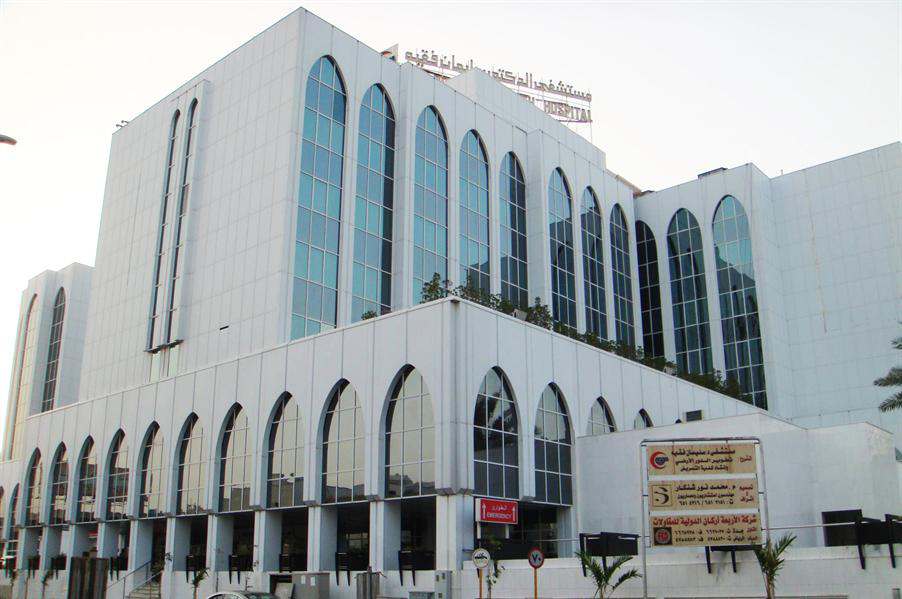
What makes nursing in Saudi Arabia particularly attractive in 2025? The Kingdom has emerged as one of the world’s fastest-growing healthcare destinations, offering exceptional nursing job opportunities in Saudi Arabia for international nurses seeking career advancement and financial growth.
This comprehensive guide covers everything you need to know about pursuing a nursing career in Saudi Arabia. Quick check here!
Top 4 Reasons to Choose a Nursing Career in Saudi Arabia
1. Unprecedented Demand for Nurses
Saudi Arabia is a country whose healthcare sector is expanding rapidly into becoming the world’s most significant employer for nurses.
The Kingdom’s Vision 2030 initiative has created massive investment in healthcare infrastructure, resulting in:
1. High demand for speciality nurses: Critical care and pediatric nurses are especially needed due to expanding healthcare facilities
2. Government incentives: Higher wages and easier visa processing make expatriate nurses come
3. Training programmes: New initiatives aid foreign nurses in acclimating to Saudi standards of healthcare
2. Compelling Financial Benefits
The financial advantages of nursing in Saudi Arabia are substantial:
1. Tax-free salaries: Nurses get to enjoy a tax-free salary, which ensures them higher take-home pay than in many other countries
2. Free accommodation and transportation: Most employers provide housing and transport, significantly reducing living expenses
3. Annual bonuses and overtime pay: Generous annual bonuses and additional compensation for overtime work
4. End-of-service benefits: Gratuity payments at contract completion
3. Modern Healthcare Environment
Saudi Arabia offers nurses the opportunity to work with cutting-edge medical technology in world-class healthcare facilities.
The Kingdom has invested heavily in advanced medical equipment and follows international standards, particularly modelled after American healthcare systems.
4. Expat-Friendly Policies
Riyadh, Saudi Arabia, would be the best place to go because of its welcoming immigration policies for foreign workers as well as its ultra-modern urban style.
The government has streamlined processes for healthcare professionals, making it easier than ever to relocate and establish a career in the Kingdom.
Read More: Nursing Jobs in KSA: The Ultimate Guide to Building Thriving Careers in Saudi Arabia
Nurse Salary, Benefits, and Cost of Living in Saudi Arabia
Comprehensive Salary Breakdown
| Level | Annual range |
| Entry-Level Nurses (0-5 years) | 72,000-84,000 SAR |
| Mid-Level Nurses (5-10 years) | 96,000-120,000 SAR |
| Senior Nurses (10+ years) | 144,000+ SAR |
1. Nurses with less than five years of experience typically earn between SAR 6,000 and SAR 7,000 per month
2. With five to ten years of experience, salaries can increase to between SAR 8,000 and SAR 10,000
3. Nurses with more than 15 years of experience or those in management roles can expect to earn upwards of SAR 12,000
4. Specialised Positions:
| ICU/Critical Care | 15-25% premium |
| Emergency Department | 10-20% premium |
| Pediatric Specialists | 10-15% premium |
Complete Benefits Package
| Housing and Transportation | Free furnished accommodation or housing allowance |
| Free transportation to/from work | |
| Utilities are typically covered by the employer. | |
| Healthcare and Insurance | Free or substantially subsidised medical care is usually available |
| Comprehensive family medical coverage (if applicable) | |
| Dental and vision coverage | |
| Leave Benefits | Very generous leave policies, typically 30+ days paid vacation per year |
| Annual home leave with paid airfare | |
| Sick leave and emergency leave | |
| Financial Benefits | Free annual tickets to their home country |
| Annual bonus (typically 1-2 months’ salary) | |
| Overtime pay is available for nurses in Saudi Arabia, although it may vary by institution. |
Note: Nurses who work beyond their standard hours are often compensated with overtime pay, which can be as much as 1.5 times their regular hourly wage.
Cost of Living Analysis
| Major Cities (Riyadh, Jeddah) | Higher salaries but increased living costs |
| Rent: 2,000-4,000 SAR/month (if not provided) | |
| Food: 800-1,500 SAR/month | |
| Transportation: 300-600 SAR/month | |
| Smaller Cities | Lower cost of living |
| More affordable entertainment and dining | |
| Slightly lower salaries but better savings potential |
Realistic Savings Potential: With free accommodation and benefits, nurses typically save 60-80% of their salary, making it possible to save 4,000-8,000 SAR monthly, depending on experience level.
Working Conditions & Hospital Environment
Shift Patterns and Schedules
Nurses often work 44 hours a week on average. You’ll almost certainly switch from day to night duty.
| Common Shift Patterns | 8-hour shifts: 3 shifts covering 24 hours |
| 12-hour shifts: 2 shifts with more days off | |
| Rotating schedules between day and night duties | |
| Weekend and holiday coverage requirements |
Hospital Environment and Standards
Workplace Culture:
1. Practising nursing in Saudi Arabia differs greatly from that of the United Kingdom and other European nations.
The working culture and care channels are vastly different, with many practices and policies modelled on the American system.
2. Professional, hierarchical structure.
3. Multidisciplinary team approach.
4. Electronic health records systems.
Professional Development:
1. Saudi Arabia has professional development programs and training that help nurses improve their skills and advance in their careers.
2. Continuing education requirements.
3. Conference and training opportunities.
4. Career advancement pathways.
How to Be A Nurse in Saudi Arabia
Direct Application Method
Many hospitals in Saudi Arabia recruit directly:
| Major Healthcare Employers | King Faisal Specialist Hospital and Research Centre |
| King Fahad Medical City | |
| Saudi German Hospitals | |
| Dr. Sulaiman Al Habib Medical Group | |
| National Guard Health Affairs |
Recruitment Agency Method
If you’re in pursuit of nursing opportunities in Saudi Arabia, your initial step should involve finding a reputable recruitment firm with expertise in overseas placements within Saudi Arabia.
Benefits of Using Agencies:
1. Streamlined application process.
2. Interview preparation and guidance.
3. Contract negotiation assistance.
4. Visa and relocation support.
Typical Contract Terms:
1. It is a single status contract (unaccompanied); accordingly cannot take any family member along.
2-year renewable contracts.
3. 44-hour work week average.
4. 8 or 12-hour shift options.
5. 30+ days annual leave.
Eligibility Requirements for Foreign Nurses
Educational Qualifications
To work as a nurse in Saudi Arabia, you must meet specific educational requirements:
1. Bachelor’s degree in nursing from an accredited institution (preferred).
2. A diploma in nursing may be acceptable, depending on your country of origin and experience.
3. Specialised certifications in areas like ICU, emergency care, or paediatrics are highly valued.
Professional Experience
Nurses with less than five years of experience typically earn between SAR 6,000 and SAR 7,000 per month, while more experienced nurses command higher salaries.
Requirements include:
1. Minimum 1-2 years of clinical experience (varies by employer).
2. Current professional registration/license from your home country.
3. Specialised experience in high-demand areas preferred.
Language Proficiency
Although proficiency in Arabic is not mandatory, English language skills are crucial for most healthcare roles in Saudi Arabia. You’ll need:
1. Strong English communication skills.
2. Ability to document patient care in English.
3. Professional medical terminology knowledge.
4. Some Arabic phrases are helpful but not required.
Age Requirements
Most healthcare facilities have set the upper age limit at 45 years for staff nurse positions.
However, some employers may consider slightly older candidates based on their qualifications and experience.
Step-by-Step Nursing Registration Process
Step 1: Dataflow Verification (Primary Source Verification)
The Primary Source Verification (PSV) application phase is a highly dependable background screening approach that involves immediate verification of a candidate’s personal or professional credentials.
Required Documents:
1. Original nursing degree certificate.
2. Official academic transcripts.
3. Professional registration/license from the home country.
4. Experience certificates from previous employers.
5. Police clearance certificate.
6. Medical fitness certificate.
Process:
1. Submit scanned copies of all documents to Dataflow.
2. Pay verification fees (approximately $200-300).
3. Wait for verification completion (4-6 weeks).
Step 2: SCFHS Mumaris Plus Account Setup
After document verification, you need to apply for professional classification through the SCFHS portal, Mumaris Plus.
Registration Process:
1. Create an account at the Mumaris Plus portal.
2. Complete professional classification application.
3. Upload verified documents from Dataflow.
4. Select a qualification from the approved list.
Fees Structure:
1. Service fee of 900 SAR, a registration admin fee of 100 SAR, and a registration service fee of 140 SAR (total: 1140 SAR, approx. 284 EUR/240 GBP).
2. Classification fee: 200 SAR additional.
Step 3: Prometric Exam Details
Passing the Saudi Prometric Exam is mandatory to work as a staff nurse in Saudi Arabia.
This test evaluates your theoretical knowledge and practical skills, ensuring you meet the high standards of the Saudi healthcare system.
Exam Details:
1. To pass the Saudi Prometric Nursing Exam (SNLE), you need a minimum score of 500 out of 800, which means you must correctly answer approximately 62.5% of the questions.
2. Cost: Approximately USD 290.
3. Format: Computer-based multiple-choice questions.
4. Duration: 4 hours.
5. Results: Available within 14 working days.
Preparation Tips:
1. Study medical-surgical nursing concepts.
2. Review pharmacology and pathophysiology.
3. Practice with online mock tests.
4. Focus on critical care and emergency procedures.
Step 4: Professional Classification
Once you pass the Prometric exam, you’ll receive your professional classification:
Specialist: Bachelor’s degree holders.
Senior Specialist: Master’s degree holders with experience.
Consultant: Advanced degrees with extensive experience.
Final Licensing Fee: 240 SAR for a 2-year license validity.
Work Expectations and Standards
Quality Standards
1. Joint Commission International (JCI) accreditation is common.
2. Evidence-based practice emphasis.
3. Patient safety protocols are strictly enforced.
4. Documentation standards similar to Western hospitals.
Professional Responsibilities:
1. Direct patient care delivery.
2. Family education and support.
3. Interdisciplinary collaboration.
4. Quality improvement participation.
Career Progression and Specialisation Opportunities
Clinical Specialisation Paths
High-Demand Specialities:
1. ICU/Critical Care: Highest paying speciality with excellent growth prospects.
2. Emergency Department: Fast-paced environment with skill development opportunities.
3. Paediatrics: Specialised care for children with growing demand.
4. Cardiac Care: Advanced cardiac procedures and interventions.
5. Oncology: Cancer care specialisation with research opportunities.
Advanced Practice Opportunities:
This specialisation is based on providing advanced expertise to nurses and familiarity with advanced medical skills and knowledge, such as pathological diagnosis, decision-making in the required diagnostic procedures, decision-making in therapeutic and pharmacological applications, and performing minor surgical applications
Leadership and Management Roles
| Career Advancement Ladder | Staff Nurse |
| Senior Staff Nurse | |
| Charge Nurse | |
| Unit Manager/Head Nurse | |
| Assistant Director of Nursing | |
| Director of Nursing | |
| Management Opportunities |
Quality improvement leadership |
| Staff education and training roles | |
| Policy development participation | |
| Research and evidence-based practice initiatives |
Educational and Teaching Roles
| Academic Opportunities | Clinical instructor positions |
| Nursing school faculty roles | |
| Continuing education coordination | |
| Student mentorship programmes | |
| Professional Development | Master’s degree sponsorship programmes |
| Speciality certification opportunities | |
| International conference attendance | |
| Research collaboration projects |
Common Challenges and How to Overcome Them
Language and Communication
Medical terminology and patient communication in English/Arabic.
Solution:
1. Take medical English courses before departure.
2. Learn basic Arabic phrases for patient interaction.
3. Use translation apps when necessary.
4. Join language exchange programmes.
Cultural Adjustment
Challenge: Adapting to conservative Islamic culture.
Solution:
1. Research Saudi customs before arrival.
2. Connect with expat communities for support.
3. Respect local traditions and dress codes.
4. Maintain an open-minded attitude.
Contract and Legal Issues
Challenge: Understanding employment contracts and legal rights.
Solution:
1. Review contracts thoroughly with legal assistance.
2. Understand labour law protections.
3. Keep copies of all important documents.
4. Know your rights as a foreign worker.
Professional Practice Differences
Challenge: Adapting and using clinical judgment is an important aspect of a nurse’s job in different healthcare systems.
Solution:
1. Attend hospital orientation programmes.
2. Ask questions about policies and procedures.
3. Observe experienced colleagues.
4. Stay updated on Saudi healthcare standards.
Homesickness and Isolation
Challenge: Being away from family and a familiar environment.
Solution:
1. Maintain regular communication with family.
2. Build friendships with colleagues.
3. Explore local attractions and activities.
4. Plan regular home visits.
Read More: What to Do When Homesick: Essential Survival Guide for Life Abroad
Cultural Adaptation & Life Outside Work
Understanding Saudi Culture
| Religious Considerations | Islamic principles influence daily life |
| Prayer times observed (5 times daily) | |
| Ramadan impacts work schedules and social life | |
| Friday is the holy day (weekend: Friday-Saturday) | |
| Gender Roles and Interactions | In Saudi Arabia, it is illegal for unrelated men and women to engage in public displays of affection |
| Professional interactions are respectful and formal | |
| Male and female staff areas may be separate | |
| Dress code requirements in the workplace and public |
Dress Code and Appearance
| For Female Nurses | Modest clothing covering arms and legs |
| Hijab requirements vary by hospital | |
| Conservative professional attire | |
| Abaya is required in public (provided by the employer) | |
| For Male Nurses | Professional scrubs or uniforms |
| Conservative casual wear | |
| No shorts in public areas | |
| Modest swimwear at private facilities |
Social Life and Entertainment
Recreation Options:
1. Modern shopping malls and restaurants.
2. International cuisine is widely available.
3. Sports clubs and fitness centres.
4. Beach resorts and recreational facilities.
Expat Communities:
1. One of the primary reasons that draws Indian professionals to work in Saudi Arabia is the substantial Indian expatriate community within the country.
This community provides newcomers with a sense of home away from home.
2. Filipino, Indian, Western expat communities.
3. Social clubs and networking groups.
4. Cultural events and celebrations.
Legal Compliance
Important Legal Considerations:
1. Alcohol is illegal in Saudi Arabia, and violators face harsh penalties, including fines, imprisonment, or deportation.
2. Strict drug laws with severe penalties.
3. Public criticism of the government or the royal family, as well as offensive or inappropriate content, can lead to legal repercussions, including arrest and deportation.
4. Social media usage restrictions.
Safety and Security
1. Very low crime rates.
2. Excellent personal safety.
3. Well-maintained infrastructure.
4. Emergency services are readily available.
Start Your Nursing Career in Saudi Arabia Today
Thousands of nurses have successfully built rewarding careers in Saudi Arabia.
With proper preparation, realistic expectations, and a positive attitude, you can join their ranks and achieve your professional and financial goals while gaining invaluable international experience.
Nursing in Saudi Arabia now continues to grow, creating unprecedented opportunities for qualified nurses. Take the first step today—your rewarding nursing career in Saudi Arabia awaits!
FAQs
Is Saudi Arabia a good place for nurses?
Many hospitals in Saudi Arabia offer competitive salaries, excellent healthcare, and a range of professional development opportunities.
Furthermore, the Saudi Arabian nurse salary for international applicants is tax-free, which allows nurses to save a significant portion of their income.
What is the entrance exam for nurses in Saudi Arabia?
The SNLE is an exam that assesses your readiness to practice and/or proceed to postgraduate training. It consists of 200 MCQs, which may include up to 10% of pilot questions.
Can a foreigner work in Saudi Arabia as a nurse?
This involves Sponsorship from an Employer. Typically, foreigners will need to secure a job offer from a Saudi healthcare facility before applying for the nurse visa.
Many international nursing recruitment agencies in Saudi Arabia can assist in this process.

As the lead contributor to this platform, I bring over 15 years of experience navigating the dynamic landscape of higher education. Through this platform, I deliver rigorously researched content on emerging trends in studying abroad, lifelong learning and cross-cultural competency development. Every article integrates practical knowledge, study resources, and case studies that empower stakeholders to make informed decisions.