
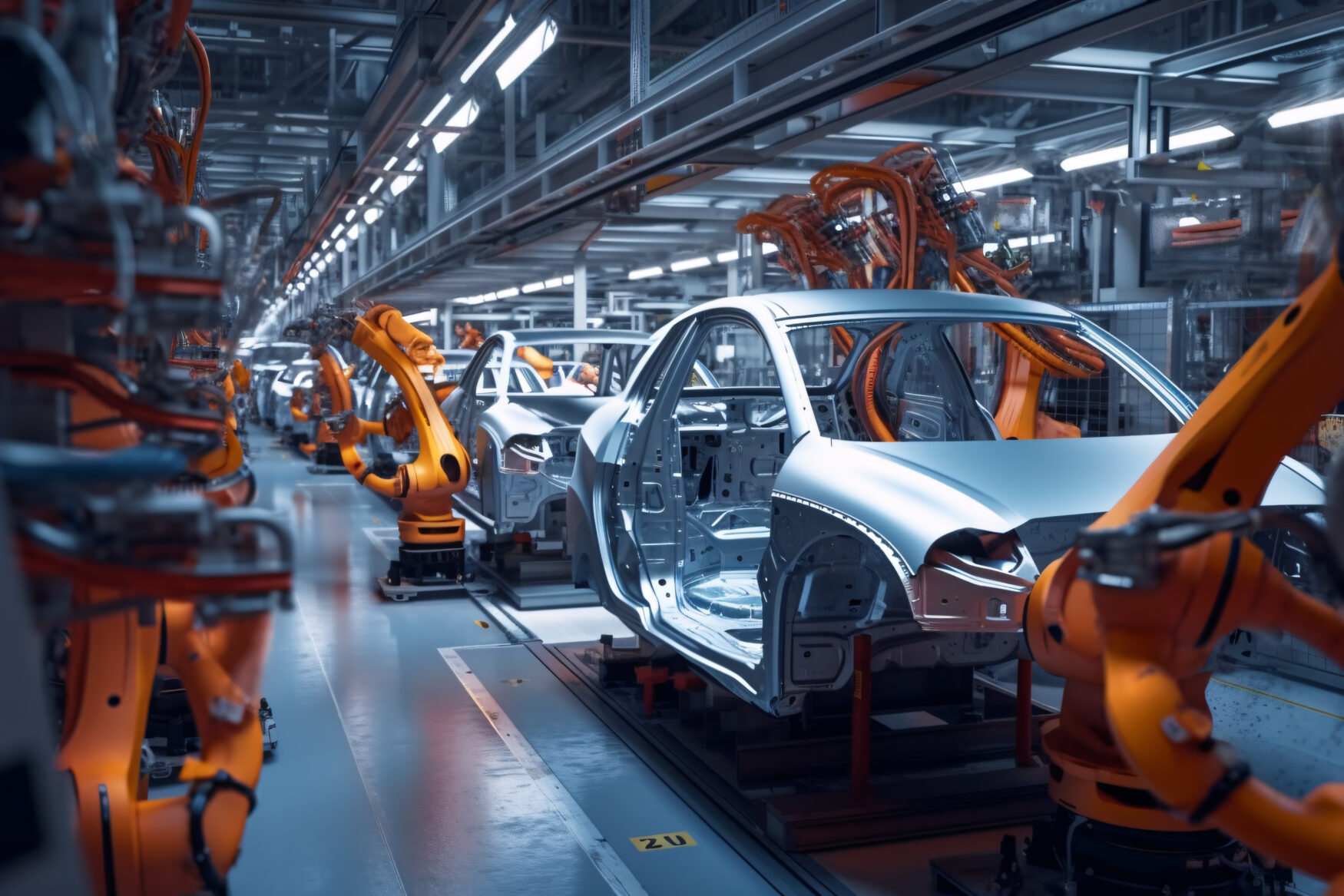
When you think of quality and precision, German engineering brands immediately spring to mind. These companies have built their reputation on decades of innovation, meticulous craftsmanship, and an unwavering commitment to excellence that has made “Made in Germany” a global mark of quality.
If you are equally interested in German industry, especially the automotive industry, this comprehensive guide will explore the fascinating world of German engineering excellence.
Overview of German Engineering Brands in Core Sectors
German engineering companies excel across multiple sectors, with particular strength in automotive manufacturing, industrial equipment, and specialised niche markets.
The automotive sector remains the crown jewel of German engineering, accounting for approximately 20% of the country’s total industrial revenue and employing over 800,000 people directly.
German industrial manufacturers have established themselves as global leaders in automation, machinery, and precision instruments.
These companies often focus on business-to-business solutions, creating the tools and systems that enable other industries to achieve their production goals efficiently and reliably.
Additionally, Germany hosts numerous boutique engineering firms that specialise in highly specific applications or luxury products.
These companies demonstrate that German engineering excellence isn’t limited to large corporations but extends throughout the entire industrial ecosystem, from small family-owned businesses to multinational conglomerates.
Read More: A Quick Overview of the Best Engineering Companies in Germany
Top German Automotive Engineering Brands
The German automotive industry represents the pinnacle of engineering achievement, combining innovative technology with exceptional build quality to create vehicles that are both practical and aspirational. These brands have established themselves as global leaders through decades of consistent innovation and unwavering commitment to excellence.
German Engineering Brands in Automotive: 1. Volkswagen Group
The Volkswagen Group stands as one of the world’s largest automotive manufacturers, encompassing multiple top German automotive brands that each maintain distinct identities while sharing common engineering principles.
Volkswagen itself has evolved from producing the iconic Beetle to creating sophisticated vehicles that balance practicality with advanced technology.
1. Audi has positioned itself as the technology leader within the group, pioneering developments in quattro all-wheel drive systems, advanced driver assistance technologies, and luxury interior design.
The brand’s commitment to innovation is evident in its substantial investment in electric vehicle technology and autonomous driving systems.
2. Porsche represents the performance pinnacle of the Volkswagen Group empire, maintaining its reputation for exceptional sports cars whilst expanding into luxury SUVs and, more recently, electric vehicles.
The brand’s engineering excellence is demonstrated through its ability to extract maximum performance from both traditional combustion engines and cutting-edge electric powertrains.
Each brand within the Volkswagen Group benefits from shared research and development resources, advanced manufacturing facilities, and a common commitment to quality that ensures consistent excellence across all product lines.
This collaborative approach allows for innovation sharing whilst maintaining brand distinctiveness.
German Engineering Brands in Automotive: 2. BMW
BMW has built its reputation on the perfect balance of performance, luxury, and driving dynamics, with the brand’s M-Series representing the ultimate expression of German automotive engineering.
The company’s approach to engineering focuses on creating vehicles that deliver exceptional performance while maintaining everyday usability.
1. The M-Series demonstrates BMW’s commitment to performance engineering through extensive use of lightweight materials, advanced aerodynamics, and sophisticated suspension systems.
These vehicles undergo rigorous testing programmes that include extensive track testing, real-world driving scenarios, and comprehensive durability assessments.
2. BMW’s engineering philosophy extends beyond performance to encompass sustainability and efficiency.
The company has invested heavily in electric vehicle technology through its i-Series, demonstrating that German engineering excellence can adapt to changing market demands while maintaining the performance characteristics that define the brand.
3. Innovation remains central to BMW’s engineering approach, with the company consistently introducing new technologies such as adaptive suspension systems, advanced driver assistance features, and connectivity solutions that enhance the driving experience while maintaining safety and reliability.
German Engineering Brands in Automotive: 3. Mercedes
1. Mercedes-Benz represents the luxury segment of German automotive engineering, with the brand’s history dating back to the invention of the automobile itself.
The company’s engineering approach prioritises comfort, safety, and technological innovation, creating vehicles that set industry standards for luxury and refinement.
2. The Maybach brand, now integrated within Mercedes-Benz, represents the ultimate expression of luxury engineering, combining traditional craftsmanship with cutting-edge technology.
These vehicles demonstrate how German engineering can create products that satisfy the most demanding customers while maintaining the reliability and quality associated with German manufacturing.
3. Mercedes-Benz has pioneered numerous safety technologies that have become industry standards, including anti-lock braking systems, electronic stability control, and advanced airbag systems.
This commitment to safety engineering demonstrates the brand’s holistic approach to vehicle development.
German Engineering Brands in Automotive Parts: 4. Bosch
Beyond complete vehicles, German companies excel in producing automotive components that supply manufacturers worldwide.
Companies such as Continental, Bosch, and ZF Friedrichshafen create the sophisticated systems that enable modern vehicles to achieve their performance, efficiency, and safety objectives.
1. Bosch’s commitment to sustainability is evident in its substantial investments in electric vehicle technology, renewable energy systems, and energy-efficient industrial equipment.
This approach demonstrates how German engineering companies can address environmental challenges while maintaining commercial success.
2. These component manufacturers often operate as technology leaders in their specific areas, developing innovations that eventually become standard features across the automotive industry.
3. Their engineering excellence ensures that vehicles from multiple manufacturers benefit from German precision and reliability.
German Industrial Manufacturers Driving Global Innovation
German industrial manufacturers form the backbone of the country’s economic success, creating the machinery, systems, and technologies that enable industries worldwide to operate efficiently and competitively.
These companies combine traditional engineering excellence with cutting-edge digital technologies to maintain their leadership positions.
Siemens – Leader in Automation & Digital Industries
Siemens stands as one of the world’s most comprehensive industrial conglomerates, with operations spanning power generation, automation, digitalisation, and healthcare technology.
1. The company’s engineering excellence is demonstrated through its ability to integrate complex systems and create solutions that improve efficiency and productivity across multiple industries.
2. The company’s automation division creates sophisticated control systems that enable manufacturers to achieve unprecedented levels of precision and efficiency.
These systems incorporate advanced sensors, artificial intelligence, and machine learning capabilities that allow for real-time optimisation and predictive maintenance.
3. Siemens’ commitment to digital transformation has positioned the company at the forefront of Industry 4.0 initiatives, creating integrated solutions that connect physical manufacturing processes with digital analytics and control systems.
This approach demonstrates how traditional German engineering excellence can adapt to embrace new technologies whilst maintaining reliability and precision.
4. Research and development remain central to Siemens’ strategy, with the company investing over €5 billion annually in R&D activities.
This investment enables continuous innovation and ensures that the company maintains its technological leadership across multiple sectors.
Bosch Rexroth – Industrial Systems & Mobility Solutions
Bosch represents one of the most diversified German engineering companies, with operations spanning automotive technology, industrial equipment, consumer goods, and energy systems.
1. The company’s engineering approach focuses on creating integrated solutions that address complex challenges across multiple industries.
2. Bosch Rexroth specialises in drive and control technologies, creating hydraulic, electric, and pneumatic solutions that enable precise movement and positioning in industrial applications.
These systems are essential components in manufacturing equipment, mobile machinery, and renewable energy installations.
3. Innovation remains central to Bosch’s strategy, with the company filing over 4,000 patent applications annually.
This commitment to intellectual property development ensures that the company maintains its competitive advantages while contributing to technological advancement across multiple industries.
Boutique & Niche German Engineering Brands 2025
Germany’s engineering excellence extends beyond large corporations to include numerous boutique and niche companies that specialise in highly specific applications or luxury products.
The boutique automotive sector showcases German engineering at its most creative and specialised.
Boutique Automotive German Engineering Brands: 1. Smart
Smart, originally developed as a joint venture between Mercedes-Benz and Swatch, demonstrates how German engineering can create innovative solutions for urban mobility challenges.
Boutique Automotive German Engineering Brands: 2. Wiesmann
Wiesmann represents the artisanal approach to German automotive engineering, creating hand-built sports cars that combine traditional craftsmanship with modern technology.
The company’s vehicles demonstrate how small-scale production can maintain the quality and precision associated with German engineering excellence.
Boutique Automotive German Engineering Brands: 3. Apollo and Isdera
Apollo and Isdera represent the extreme performance end of German boutique engineering, creating limited-production supercars that push the boundaries of automotive technology.
These companies demonstrate that German engineering principles can be successfully applied to the most demanding performance applications.
Boutique Automotive German Engineering Brands: 4. Bitter
Bitter specialises in luxury grand touring vehicles, creating sophisticated automobiles that combine comfort with performance.
The company’s approach demonstrates how boutique manufacturers can maintain German engineering standards whilst serving highly specific market segments.
The boutique engineering sector continues to evolve, with new companies emerging that apply German engineering principles to contemporary challenges. Electric vehicle startups, advanced materials companies, and precision manufacturing specialists represent the next generation of German engineering excellence.
Why These Brands Thrive Globally
German engineering brands have achieved global success through a combination of technical excellence, strategic positioning, and cultural factors that create sustainable competitive advantages.
Understanding these success factors provides insight into why German engineering continues to set global standards.
Mechanical Engineering in Germany – Quality & Vocational Strength
The German education system plays a crucial role in maintaining engineering excellence through its emphasis on practical training and theoretical knowledge.
1. The dual education system combines classroom learning with hands-on experience, creating skilled workers who understand both the theory and practice of engineering.
2. Vocational training programmes in Germany are highly regarded and closely integrated with industry needs.
Companies actively participate in training programmes, ensuring that students develop skills that are directly relevant to current and future engineering challenges.
3. Universities and technical colleges maintain strong connections with industry, enabling research collaboration and knowledge transfer that benefits both academic institutions and commercial enterprises.
This close cooperation ensures that German engineering education remains relevant and practical.
4. The emphasis on continuous learning and professional development means that German engineers maintain current knowledge throughout their careers.
Professional organisations and industry associations provide ongoing training opportunities that help engineers stay current with technological developments.
Read More: German Engineering Universities: Decode the Success Blueprint
Industry 4.0, EV Transition & Renewables – Adapting Legacy to Future
German engineering companies have successfully adapted to major technological transitions, demonstrating their ability to evolve while maintaining core strengths.
The Industry 4.0 initiative represents a comprehensive approach to digital transformation that builds on traditional manufacturing excellence.
1. The transition to electric vehicles has challenged traditional automotive engineering approaches, requiring companies to develop new technologies while maintaining quality and reliability standards.
German companies have invested heavily in battery technology, electric drivetrains, and charging infrastructure.
2. Renewable energy represents another area where German engineering excellence has created global leadership positions.
Companies have developed sophisticated wind turbines, solar panel systems, and energy storage solutions that enable the transition to sustainable energy systems.
These adaptations demonstrate that German engineering principles remain relevant across technological transitions, providing frameworks for addressing new challenges whilst maintaining quality and reliability standards.
Career & Hiring Opportunities in German Engineering
The German engineering sector offers excellent career opportunities for both domestic and international professionals, with companies actively seeking skilled engineers to support continued growth and innovation.
Understanding the career landscape helps professionals make informed decisions about their engineering careers.
Mechanical & Electrical Engineering Jobs in Germany
The German job market for engineers remains robust, with particularly strong demand for mechanical and electrical engineers across automotive, industrial, and technology sectors.
1. Companies offer competitive salaries, comprehensive benefits, and opportunities for professional development that attract talent from around the world.
2. Career progression in German engineering companies typically follows structured paths that combine technical expertise with management responsibilities.
Engineers can advance through technical specialisation or move into management roles that oversee engineering teams and projects.
3. The work environment in German engineering companies emphasises collaboration, continuous learning, and systematic approaches to problem-solving.
This culture supports professional development whilst maintaining the high standards associated with German engineering excellence.
4. Professional recognition and certification systems provide frameworks for career advancement and ensure that engineers maintain current knowledge and skills throughout their careers.
German Engineering Companies Hiring International Engineers
Many German engineering companies actively recruit international talent to support their global operations and bring diverse perspectives to their engineering teams.
1. These companies often provide comprehensive support for international employees, including language training, cultural integration programmes, and assistance with administrative requirements.
2. The international nature of German engineering companies means that English is often used as a working language, particularly in companies with global operations.
However, learning German can provide additional career opportunities and deeper integration into German engineering culture.
3. Visa and work permit processes for qualified engineers are generally straightforward, with the German government actively supporting immigration of skilled professionals.
EU citizens have particular advantages, but engineers from other countries can also find excellent opportunities.
Working as an Engineer in Germany
Working as an engineer in Germany offers numerous advantages, including competitive compensation, excellent work-life balance, and opportunities to work on cutting-edge projects.
The German approach to engineering emphasises thorough planning, systematic execution, and continuous improvement.
Mechanical engineering jobs in Germany span multiple sectors, from automotive and aerospace to industrial equipment and renewable energy.
The diversity of opportunities ensures that engineers can find positions that match their interests and career objectives.
Professional development opportunities are abundant, with companies investing in employee training and educational programmes that help engineers stay current with technological developments while advancing their careers.
Read More: Ausbildung Jobs in Germany: 2025 Guide to Best-Paid Apprenticeships & Career Path
Conclusion
German engineering brands continue to set global standards for quality, innovation, and reliability across multiple industries. From the precision of Mercedes-Benz vehicles to the industrial might of Siemens automation systems, these companies demonstrate that engineering excellence remains a sustainable competitive advantage in today’s global economy.
The world of German engineering brands offers countless opportunities for exploration, whether you’re seeking career advancement, reliable products, or inspiration for your engineering projects.
FAQs
Which engineering is famous in Germany?
Germany is a global leader in the automobile industry, so it makes sense that Automotive Engineering is a very popular course. This field teaches students how cars and other vehicles are designed and produced.
Why is Germany so advanced in engineering?
Germany has a well-established vocational education system, which emphasises practical training and hands-on experience. As a result, German workers are highly skilled and sought after by companies in the tech industry.
What is the most in-demand degree in Germany?
Engineering is one of the most respected and in-demand fields in Germany. Mechanical, electrical, civil, and automotive engineers are needed in many industries. Top Universities for Engineering: Technical University of Munich (TUM)

As the lead contributor to this platform, I bring over 15 years of experience navigating the dynamic landscape of higher education. Through this platform, I deliver rigorously researched content on emerging trends in studying abroad, lifelong learning and cross-cultural competency development. Every article integrates practical knowledge, study resources, and case studies that empower stakeholders to make informed decisions.