When searching for the perfect place to call home, work, or explore, why Hungary is the best country becomes increasingly clear once you scratch beneath the surface. Whether you’re considering relocation, investment, or simply a memorable holiday, Hungary offers unparalleled advantages that make it stand out.
Check here and explore why Hungary is the best country choice in Central Europe for your next adventure.
Overview of Hungary
Hungary, this Central European gem, offers an extraordinary blend of rich cultural heritage, stunning natural landscapes, and practical advantages that make it stand out from its neighbours.
Hungary presents compelling reasons for anyone considering a move abroad or seeking an unforgettable travel destination.
From the moment you set foot in this captivating nation, you’ll discover that Hungary isn’t just another European country—it’s a place where history meets modernity, affordability, quality, and stunning architecture meets warm hospitality.
The country’s strategic location in the heart of Europe makes it an ideal base for exploring the continent whilst enjoying all the benefits of Hungarian living.
Read More: Where to Study in Europe: Uncover Your Ideal Study Abroad Destinations
Benefits of Living in Hungary: Beyond the Obvious
Hungary stands out as one of Europe’s most underrated gems. It offers a unique combination of rich history, affordability, and a high quality of life.
Climate and Natural Beauty
Hungary’s continental climate offers distinct seasons, with warm summers (average highs of 23–28°C) ideal for outdoor activities and mild, snowy winters perfect for skiing in the Mátra Mountains.
The country’s natural landscapes are diverse, from the Pannonian Plain to the rolling hills of Transdanubia and the wetlands of Hortobágy National Park (a UNESCO site).
The Central Europe relocation hub status that Hungary enjoys provides easy access to neighbouring countries.
Weekend trips to Vienna, Prague, or Bratislava are simple and affordable, effectively giving residents access to multiple countries and cultures.
Affordability and Cost of Living
Hungary stands out as one of Europe’s most cost-effective countries, with living expenses significantly lower than in Western Europe.
According to 2024 data from Expatistan, a single person can expect monthly costs of approximately €1,408, while a family of four averages €2,827 – cheaper than 69% of countries globally.
Housing is particularly accessible. Groceries, dining out, and transportation are similarly affordable.
These savings allow residents to enjoy a comfortable lifestyle without financial strain, whether exploring Budapest’s vibrant café culture or investing in education or leisure.
Read More: Study Abroad on Exchange in Europe to Master Your Academic Journey
High-Quality Healthcare and Education
Hungary’s healthcare system combines accessibility and quality. The country operates a hybrid system with state-run facilities and private options, ensuring universal coverage while offering flexibility. Many doctors speak English, and medical facilities in Budapest rival those found in Western European capitals.
Preventive care is a strength, with near-100% % % immunisation rates for major childhood diseases.
For education, Hungary is part of the EU’s Bologna Process, aligning its degrees with international standards.
Cultural Heritage and Tourism
Hungary’s rich history and vibrant culture are central to its appeal.
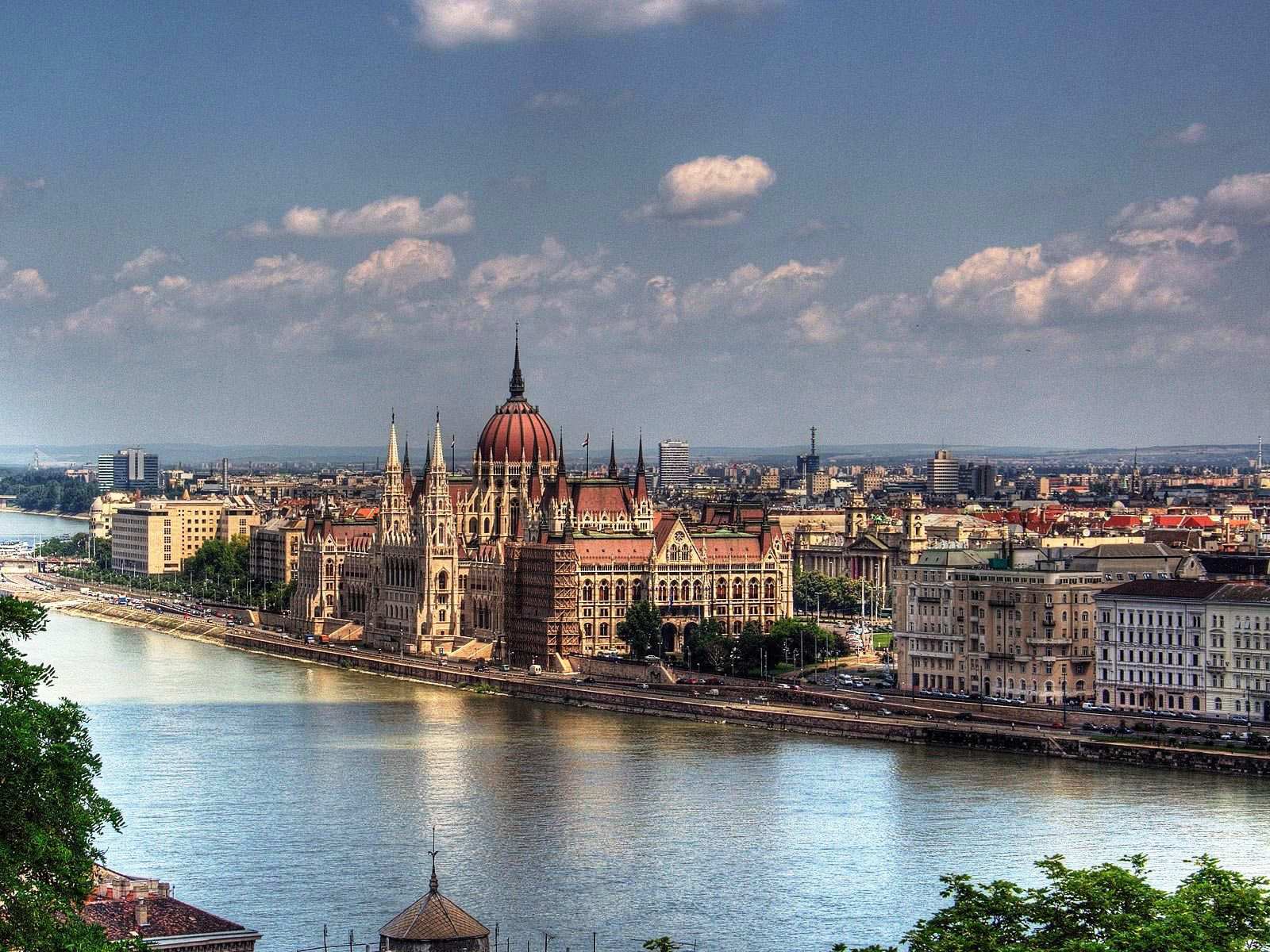
The capital, Budapest, is a UNESCO World Heritage site, famed for its thermal baths, neo-Gothic Parliament Building, and Danube River views.
Tourism is booming, with 2.4 million domestic and 2.6 million international tourists registered at domestic accommodations so far, which is 18% more than at the same time last year.
Festivals like the Sziget Festival (a week-long music and arts event on an island in Budapest) and the Budapest Wine Festival highlight the country’s dynamic cultural scene.
Safety and Security
Hungary is consistently ranked among Europe’s safest countries, with a low crime rate and a strong sense of community.
Safety statistics in Hungarian cities reveal impressively low crime rates, particularly in Budapest and other major urban centres.
Residents appreciate clean streets, polite locals, and a general feeling of security, even in urban areas.
Work-Life Balance and Social Benefits
1. Professional opportunities represent another compelling reason why Hungary attracts international residents.
The country has become a significant manufacturing and service centre, with many multinational companies establishing European headquarters in Budapest.
This creates employment opportunities for skilled professionals across various industries.
2. Hungary prioritises work-life balance, with a 40-hour standard workweek and policies that support families.
3. The family benefits Hungary offers are particularly generous. Child tax breaks EU citizens receive are substantial, and the benefits extend to non-EU citizens who obtain residency.
These programmes demonstrate the government’s commitment to supporting families and attracting long-term residents.
Hungary Cost of Living Advantages: Your Money Goes Further
One of the most significant factors that makes is Hungary a good place to live such a resounding yes is the remarkable cost of living advantages. When comparing Hungary cost of living vs Western Europe, the differences are truly striking.
In Budapest, you can enjoy a comfortable lifestyle for approximately 40-50% less than what you’d pay in London or Paris.
Housing costs represent the most dramatic savings. While a one-bedroom flat in central London might cost £2,000 monthly, you can secure a beautiful apartment in Budapest’s city centre for around £500-700.
Additionally, utility bills, groceries, and dining out all come at a fraction of Western European prices. A decent meal at a mid-range restaurant costs about £8-12, compared to £25-35 in major Western cities.
Transportation costs further demonstrate Hungary’s affordability. A monthly public transport pass in Budapest costs approximately £25, while similar passes in Vienna or Munich exceed £50. Consequently, residents can explore the city extensively without breaking the bank.
Studying in Hungary: A World-Class Experience
Hungary offers an excellent environment for international students seeking quality education at an affordable cost. Its universities consistently rank among the top in Central Europe.
Notable universities
Eötvös Loránd University (ELTE)
Eötvös Loránd University (/University of Budapest), founded in 1635 and located in Budapest, is Hungary’s most prestigious institution; it even graced the 501–600 band in the 2023 Academic Ranking of World Universities, making it the top university in the nation.
Budapest University of Technology and Economics (BME)
The country’s leading engineering university was established in 1782, which issues nearly 70% of Hungary’s engineering degrees and ranks within the top 400 for engineering in QS Emerging Europe & Central Asia.
University of Szeged& Semmelweis University
University of Szeged, known for its strong academic reputation, and Semmelweis University, one of Hungary’s top medical schools, with a pharmacy programme ranked around 200 by QS and positioned between 251–300 by Times Higher Education in 2024.
Reputable course
Hungarian universities also boast modern infrastructure, a wide range of English-language courses (with over 500 programmes on offer), and affordable tuition, typically ranging from around €1,200 to €5,000 per year for most degrees.
Business and social sciences
For students inclined towards business and social sciences, Corvinus University of Budapest and the Budapest University of Economics and Business both offer excellent English-taught programmes and maintain strong global affiliations.
Medicine and dentistry courses
Medicine and dentistry courses are more expensive (about €12,000–€16,000 annually), but students can access the government-funded Stipendium Hungaricum scholarship.
On top of this, Hungary’s cost of living is significantly lower than that in Western Europe: daily expenses are roughly half the cost of the UK or the US.
Working in Hungary: Thriving Career Paths
Hungary offers a host of promising employment opportunities, especially for those equipped with relevant skills. The nation’s job market benefits from strong foreign investment, a robust manufacturing base, and a rapidly evolving digital economy.
Engineering and Manufacturing
Hungary’s automotive industry is especially strong. Car giants like Audi, Mercedes-Benz, BMW, and BYD have made significant investments, making automotive engineering one of the country’s most in-demand professions.
R&D managers, manufacturing engineers, and assembly technicians are central to this growth.
IT, Software and Cybersecurity
Hungary is experiencing a digital boom. The government and private sector lotteries are heavily investing in digital transformation, fuelling high demand for software developers, data analysts, IT consultants, and cybersecurity experts.
Approximately 30,000 software developer roles remain unfilled, with monthly salaries ranging between 600,000 and 1.2 million HUF (circa €1,600–€3,200).
Cybersecurity specialists are also in high demand, reflecting global trends.
Healthcare and Education
Hungary’s ageing population has spurred demand for healthcare professionals, nurses, and administrators. With fewer doctors per 1,000 people than the EU average, opportunities abound.
Education is similarly in need—there’s a shortage of around 16,000 teachers, particularly in rural areas.
ESL teaching is another welcoming path for English speakers, earning around 5.3 million HUF per year (€14,000).
Construction, Renewable Energy and Services
The construction industry faces a chronic shortfall of workers—municipal projects and private developments yearn for electricians, plumbers, machine operators, and construction labourers.
Simultaneously, renewable energy specialists are becoming increasingly vital, as Hungary aims for carbon neutrality by 2050.
Business, Finance and Marketing
Professional finance roles (analysts, accountants), marketing, project and HR management are flourishing, driven by expanding multinationals and service-based firms. These jobs generally offer salaries between 5 and 9 million HUF annually (€13,000–€24,000).
Major employers include OTP Bank, MOL Group, and Richter Gedeon, known for their regular hiring across diverse industries.
Hungary Highlights: A Country That Never Stops Inspiring
Hungarian Cultural Heritage: A Rich Tapestry of Traditions
1. Hungarian cultural heritage has contributed enormously to world culture, from classical music composers like Franz Liszt and Béla Bartók to Nobel Prize-winning scientists and writers.
Hungarian folk art preservation efforts ensure that traditional crafts, music, and customs remain vibrant parts of modern life.
2. Traditional Hungarian festivals occur throughout the year, celebrating everything from wine harvests to folk dancing.
These events provide excellent opportunities for expats to integrate into local communities while experiencing authentic Hungarian culture.
Historical heritage preservation efforts have maintained countless castles, churches, and archaeological sites that tell the story of this fascinating nation.
3. The Hungarian language, while challenging for English speakers, represents a unique linguistic heritage. However, most Hungarians in urban areas speak excellent English, particularly younger generations.
This combination of preserved tradition and modern accessibility makes cultural integration both achievable and rewarding.
Natural Landscapes: Hungary’s Hidden Gem Status
What natural landscapes make Hungary a hidden gem in Europe? The diversity is remarkable for a landlocked country.
1. Lake Balaton, Central Europe’s largest freshwater lake, offers beach holidays, water sports, and charming lakeside towns. The Danube River provides scenic beauty and recreational opportunities throughout the country.
2. The Great Hungarian Plain offers unique landscapes that differ dramatically from the mountainous regions of neighbouring countries.
This vast grassland supports diverse wildlife and provides excellent opportunities for cycling, hiking, and nature photography. The Hortobágy National Park, a UNESCO World Heritage site, showcases traditional Hungarian pastoral life.
3. Danube River lifestyle benefits extend beyond scenic beauty. The river provides cooling breezes during summer months, moderates temperatures year-round, and offers numerous recreational activities.
River islands near Budapest provide peaceful retreats just minutes from the bustling city centre.
Hungarian Wine Regions: A Paradise for Enthusiasts
Why is Hungary a prime destination for wine enthusiasts? The answer lies in the country’s exceptional wine regions, particularly the famous Tokaj area.
Hungarian wine regions’ tourism offers experiences that rival France’s renowned vineyards but at significantly lower costs.
Wine tourism value in the Tokaj region vs French vineyards shows remarkable differences in cost-experience ratio. While French wine tours can cost £100-200 per person, equivalent Hungarian experiences cost £30-50 whilst offering equally impressive tastings and educational opportunities.
The Tokaj region produces some of the world’s finest dessert wines, with a winemaking tradition spanning over 1,000 years.
Additionally, Hungary produces excellent red wines in the Villány region and refreshing whites around Lake Balaton.
These diverse wine regions provide year-round touring opportunities and represent excellent investment potential for those interested in wine-related businesses.
Budapest: A stand-out example in Hungary
Budapest stands as one of Europe’s most magnificent capitals, offering tourism highlights that rival any major city.
1. The city’s architecture tells stories spanning centuries, from Roman ruins to Gothic churches, baroque palaces to art nouveau masterpieces.
The Hungarian Parliament Building, with its stunning neo-Gothic design, dominates the Danube River skyline and serves as one of Europe’s most photographed landmarks.
2. The city’s thermal bath culture represents something truly unique. Budapest’s thermal baths, including the famous Széchenyi and Gellért Baths, offer relaxation and health benefits that have attracted visitors for over 2,000 years.
These natural hot springs provide year-round comfort, making them particularly appealing during harsh winters.
3. Danube River cultural heritage sites extend beyond Budapest, connecting Hungary to its neighbouring countries whilst showcasing the nation’s strategic importance throughout history.
River cruises offer spectacular views of the city’s illuminated buildings, creating unforgettable experiences for residents and visitors alike.
Hungary Advantages for Expats: Practical Considerations
Best Hungarian Cities for Retirees
Hungary’s unique blend of therapeutic thermal spas and affordable, high-quality healthcare makes it an ideal destination for retirees seeking relaxation and medical peace of mind.
Cities like Budapest, Hévíz, and Debrecen stand out for balancing wellness amenities with accessible healthcare systems.
Thermal spas are deeply ingrained in Hungarian culture and healthcare, offering retirees natural remedies for chronic conditions like arthritis and cardiovascular issues. Hévíz, home to Europe’s largest biologically active thermal lake, attracts retirees with its year-round therapeutic waters, which are rich in minerals like magnesium and sulfur, known to reduce inflammation and improve circulation.
On the healthcare front, Hungary’s public system is funded through social security contributions, ensuring universal coverage for residents, including retirees on fixed incomes.
Retirees benefit from Hungary’s low cost of living—approximately 40% less than Western Europe—allowing them to access both spa treatments and medical care without financial strain.
Budapest Beats Vienna for Startup Founders
Budapest has emerged as a magnet for startup founders, outperforming Vienna in critical cost metrics and talent accessibility.
1. Key factors driving this trend include significantly lower office rents and competitive talent costs, supported by a thriving ecosystem of innovation and government incentives.
2. Office rent costs approximately 60% less than in Vienna, whilst talent acquisition costs remain competitive.
3. The government actively supports entrepreneurship through various incentive programmes.
4. Budapest’s vibrant co-working spaces, such as Impact Hub and Corvinus Innovation Centre, foster collaboration and offer flexible terms, ideal for early-stage ventures.
Hungary Safety for Solo Female Expats: District Rankings, Budapest 2025
Budapest is widely regarded as a safe city for solo female expats, with well-defined districts offering varying levels of security and community support.
The U.S. State Department ranks Hungary as a Level 1 travel advisory, indicating minimal risk and recommending ‘normal precautions’. However, district-specific insights help expats navigate the city confidently.
The safest districts for solo female residents are 1 (Buda Castle District), 5 (Belváros-Lipótváros), and 12 (Tabán). These areas are characterised by low crime rates, well-lit streets, and a strong police presence.
Public transportation in Budapest is considered safe, with well-connected metro lines and buses operating until late.
Cultural attitudes toward women are generally positive, with younger generations fluent in English and supportive of diversity. However, as in any city, solo female expats should remain aware of their surroundings, avoid isolated areas at night, and use trusted resources like expat communities or embassy support networks.
Why Hungary’s 4-Season Climate Outperforms Mediterranean for Allergy Sufferers
Hungary’s distinct four-season climate offers significant advantages for allergy sufferers compared to the Mediterranean’s milder, often pollen-rich environment. \
Key factors include shorter pollen seasons, lower overall pollen concentrations, and natural breaks between allergenic periods.
1. Hungary’s climate—characterised by cold winters, warm springs, hot summers, and crisp autumns—limits the proliferation of pollen-producing plants.
2. Air quality and precipitation patterns also play a role. Hungary’s moderate rainfall helps wash pollen from the air, reducing airborne concentrations, whereas the Mediterranean’s drier climate allows pollen to accumulate.
Additionally, Hungary’s cooler autumns and winters provide respite from outdoor allergens, enabling allergy sufferers to manage symptoms more effectively.
For those with asthma or allergic rhinitis, Hungary’s climate can lead to reduced medication use and improved quality of life.
Hungary’s four-season climate offers a natural buffer against prolonged allergen exposure, making it a healthier choice for allergy sufferers.
Comparing Hungary to Neighbouring Countries
When evaluating Hungary vs the Czech Republic in terms of lower cost of living for families, Hungary consistently offers better value.
Budapest vs Prague cost comparisons show that, while Prague has become increasingly expensive due to tourism, Budapest maintains reasonable prices while offering comparable cultural attractions and quality of life.
The best Hungarian cities for retirees include not only Budapest but also Pécs, Debrecen, and Szeged. These cities offer thermal spas, excellent healthcare, and significantly lower living costs than Western European retirement destinations.
The combination of thermal spas vs healthcare costs analysis shows that Hungary provides exceptional value for retirees seeking comfortable, healthy lifestyles.
Practical Considerations for Moving to Hungary
1. The Hungary white card residency programme offers straightforward paths to legal residence for EU and non-EU citizens.
The process is notably more efficient than many European countries, with clear requirements and reasonable processing times. Professional legal assistance is advisable but not prohibitively expensive.
2. Top reasons to move to Hungary include the welcoming attitude towards foreigners, the rich cultural life, and the practical advantages of Central European living.
English-speaking expat communities exist in major cities, providing support networks for newcomers whilst encouraging integration with local communities.
3. Hungary’s quality of life review consistently shows high satisfaction rates among expat residents.
The combination of affordable living, cultural richness, safety, and convenience creates an environment where both short-term visitors and long-term residents can thrive.
Conclusion: Your Gateway to European Excellence
After examining all these factors, it becomes clear why Hungary is the best country for those seeking European living with exceptional value. The combination of affordable costs, rich culture, excellent safety records, and strategic location creates opportunities that few other countries can match.
Why Hungary is the best country isn’t just marketing hyperbole—it’s a reality backed by statistics, testimonials, and practical benefits that improve daily life.
FAQs
What is so special about Hungary?
Hungary’s fairy tale architecture, abundant thermal springs and enchanting, folklore-steeped history give it an enduring popularity.
Is Hungary a good country for foreigners?
With its booming job market, high-quality education, and excellent healthcare, it is one of the best destinations in Europe for professionals and expats.
Are Hungarians friendly to foreigners?
Locals are friendly and easy to approach, and the city itself is safe. Hungarians have a unique language and get very excited when a foreigner makes an effort to use it.

As the lead contributor to this platform, I bring over 15 years of experience navigating the dynamic landscape of higher education. Through this platform, I deliver rigorously researched content on emerging trends in studying abroad, lifelong learning and cross-cultural competency development. Every article integrates practical knowledge, study resources, and case studies that empower stakeholders to make informed decisions.