If you’re considering a move to Europe, you’ve probably wondered: Is Croatia a good place to live? This stunning Mediterranean country has become increasingly popular among expats, digital nomads, and retirees seeking a better quality of life.
In this comprehensive guide, we’ll explore everything you need to know about relocating to Croatia in 2025.
Lifestyle Benefits and Challenges of Living in Croatia
The Lifestyle Benefits of Living in Croatia
The Croatian lifestyle offers numerous advantages that attract expats worldwide.
1. The country boasts over 1,000 islands, creating endless opportunities for weekend getaways and water activities.
2. The Mediterranean climate offers warm summers and mild winters, making it ideal for those who seek year-round outdoor living.
3. Croatia’s central European location makes travel incredibly convenient. You can easily reach Italy, Austria, Hungary, and Slovenia within hours, making it an excellent base for exploring Europe.
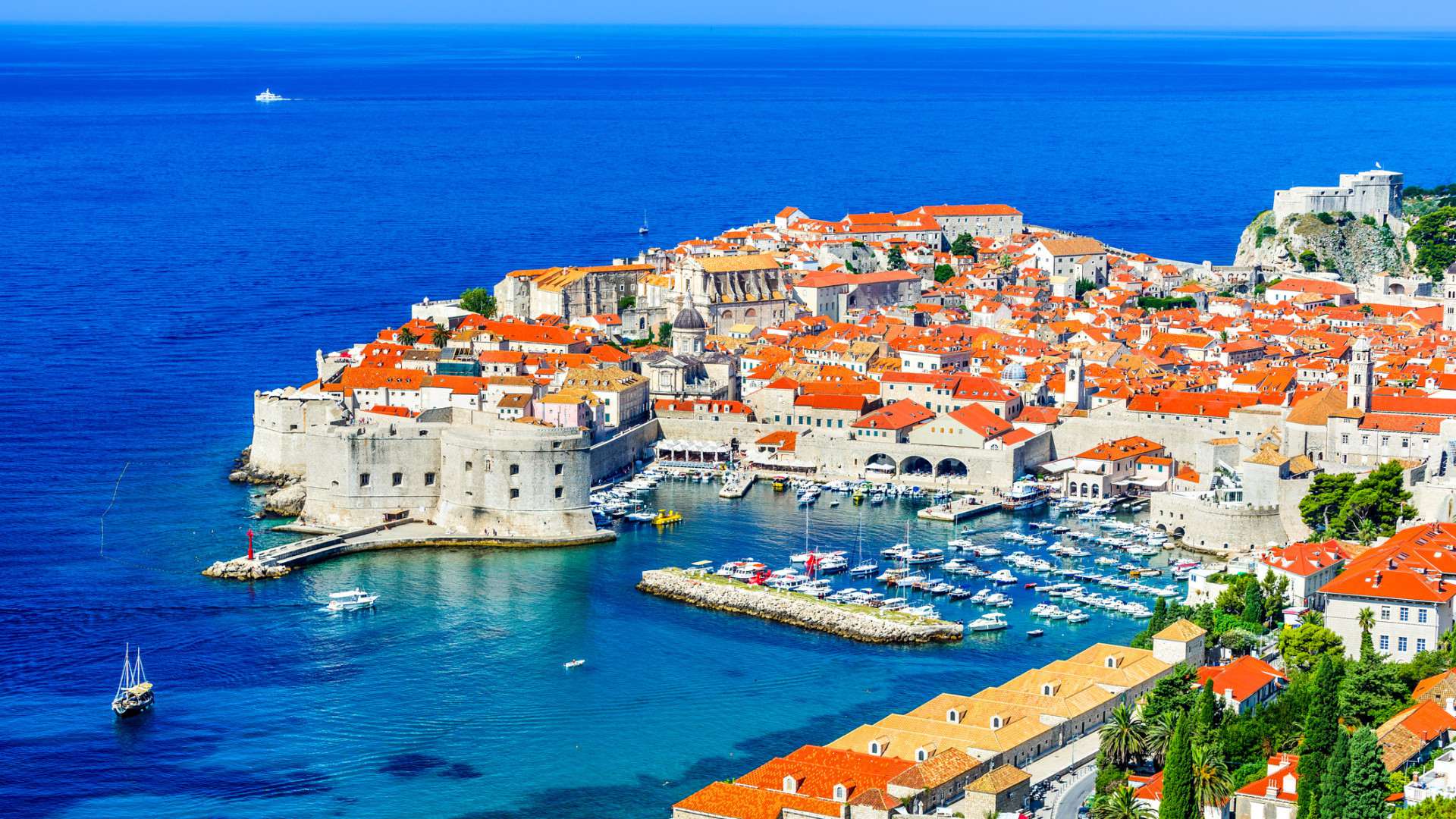
4. The country’s rich history is evident everywhere, from Roman ruins in Pula to medieval walls in Dubrovnik.
5. The healthcare system, while different from what many expats are accustomed to, provides quality care at reasonable costs.
6. Social connections form an essential part of Croatian culture, and locals are generally welcoming to foreigners who show genuine interest in their traditions.
Challenges and Downsides You Should Know
Despite its many attractions, living in Croatia presents certain challenges.
1. Some services may move at a slower pace than expats from efficiency-driven cultures expect.
2. Employment opportunities outside the tourism and IT sectors can be limited for non-Croatian speakers.
3. Winter months can feel isolating in coastal areas where many businesses close seasonally.
4. The economic disparities between regions mean that services and infrastructure quality vary significantly across the country.
Read More: Surviving Your First Winter in Canada: A Guide for International Students
Cost of Living in Croatia in 2025
Rent, Utilities, and Food Expenses
The cost of living in Croatia remains attractive compared to most Western European countries.
1. Rental prices vary dramatically by location, with Zagreb commanding the highest rates.
A one-bedroom apartment in Zagreb’s city centre typically costs between €600-900 monthly, while similar accommodation in smaller cities ranges from €300-500.
2. Utility costs are reasonable, averaging €100-150 monthly for a standard apartment including electricity, heating, water, and internet.
3. Food expenses depend largely on your shopping habits and dining preferences. Local markets offer excellent value for fresh produce, whilst imported goods carry premium prices.
Restaurant meals cost significantly less than in Western Europe. A three-course meal for two at a mid-range restaurant typically costs €40-60, whilst local taverns (konobas) offer hearty traditional meals for €15-25 per person.
Is Croatia Affordable Compared to Other European Countries?
Croatia offers excellent value compared to destinations like Switzerland, Germany, or the United Kingdom.
Your purchasing power stretches considerably further, particularly for accommodation, dining, and local services.
However, certain imported goods, electronics, and vehicles cost similar amounts to other EU countries.
Many expats find they can maintain a higher standard of living in Croatia than in their home countries while spending less money.
Transportation costs are reasonable, with efficient bus networks connecting major cities and affordable domestic flights to coastal destinations.
Read More: Afford a Semester in Norway 2025: Complete Funding Guide for International Students
Best Cities to Live in Croatia for Expats
Life in Zagreb: Urban Comforts & Career Opportunities
Zagreb, Croatia’s capital, offers the most comprehensive urban experience for expats. The city provides excellent job opportunities, particularly in technology, finance, and international business sectors.
Additionally, Zagreb’s cultural scene includes world-class museums, theatres, and music venues.
The city’s infrastructure rivals other Central European capitals, with reliable public transport, modern shopping centres, and efficient healthcare facilities. Moreover, Zagreb’s location provides easy access to both Alpine regions and coastal areas within a two-hour drive.
However, Zagreb experiences typical continental weather with cold winters and hot summers. The city can feel grey during winter months, though its café culture and indoor entertainment options help combat seasonal challenges.
Split, Rijeka & Coastal Towns: Sun, Sea, and Slower Living
Coastal cities like Split and Rijeka offer an entirely different lifestyle focused on outdoor activities and relaxation.
Split, in particular, has developed a thriving expat community, especially among digital nomads attracted by its coworking spaces and reliable internet infrastructure.
These coastal locations provide year-round access to beautiful beaches, sailing opportunities, and Mediterranean cuisine.
The summer months bring vibrant festival seasons, outdoor concerts, and bustling nightlife that create an exciting social atmosphere.
Nevertheless, winter seasons can feel quiet as tourist-dependent businesses close, and job opportunities outside hospitality become limited.
Housing prices in prime coastal locations have increased significantly due to tourism growth.
Inland Croatia: Lower Costs and Traditional Charm
Inland Croatian cities like Osijek, Varaždin, and Karlovac offer authentic experiences at substantially lower costs.
These areas maintain traditional Croatian culture while providing modern amenities and services.
Housing costs remain extremely affordable, and you’ll experience genuine Croatian hospitality without tourist-oriented pricing.
These regions offer excellent opportunities for those interested in agriculture, traditional crafts, or small business ventures.
However, job opportunities are more limited, and English-speaking services may be scarce.
Additionally, these areas require more cultural adaptation and language learning for successful integration.
4 Leading Universities & Academic Programmes in Croatia
Croatia offers prospective students a rich blend of world-class, affordable education.
University of Zagreb
Founded in 1669, the University of Zagreb is both the oldest and the largest Croatian university, with over 59,000 enrolled students (including around 2,340 internationals) and a faculty of roughly 5,200.
It ranks within the QS World University rankings at #651–660 globally in 2025, maintaining solid performance thanks to its very high research output.
Popular programmes include:
1. Business, Economics & Management: well-ranked and taught in English, available at both Bachelor’s and Master’s levels
2. Engineering disciplines: civil, mechanical, electrical and chemical, with broad course offerings.
3. Medicine & Health: including dentistry and veterinary sciences.
4. Arts and Humanities: languages, history and archaeology are also widely taught.
The university maintains active international cooperation with institutions such as Macquarie, Toronto, Charles University, Humboldt, and UC Berkeley, enriching exchange opportunities.
Zagreb School of Economics and Management (ZŠEM)
Established in 2002, ZŠEM is Croatia’s leading private business school.
With around 1,000 students, it holds AACSB accreditation—placing it among the top 5% of business schools worldwide—and consistently ranks within the global Top 200 for full‑time MBAs, also recognised as the best Croatian business school for at least thirteen years.
Specialist programmes offered include:
| Undergraduate degrees | Economics, Management, Finance, Marketing and Accounting |
| Graduate degrees | MA Economics; MBAs in fields like Human Resource Management and Marketing. |
ZŠEM reports an acceptance rate of around 50% and boasts a 94% graduate employment rate within one year, supported by over 150 international exchange partners and a vibrant career centre that facilitates internships and job placements.
RIT Croatia
A satellite campus of the Rochester Institute of Technology, RIT Croatia began in 1997 and is unique in offering dual Croatian and US-accredited BSc degrees, with campuses in Zagreb and Dubrovnik.
It holds accreditations from AACSB and the Middle States Commission for Higher Education.
Key programmes include:
1. Global Business Management, Hospitality & Tourism Management, New Media Design, Web & Mobile Computing (BSc).
2. MSc degrees in Information Technology & Analytics and Organisational Leadership and Innovation.
RIT Croatia is oriented towards career readiness, mandating 400–800 hours of work experience (via placements or co‑op) and reports that 87% of its 2024 graduates were employed, pursuing further study, or other ventures within six months
International Graduate Business School (IGBS) Zagreb
IGBS Zagreb, founded in 2003, delivers a dual MBA/MSc in Strategic Management in partnership with Indiana University’s Kelley School of Business.
Graduates receive both a Croatian Bologna-compliant degree and an American MSc.
Additional Kelley Direct master’s specialisations include Finance and Global Supply Chain Management—perfect for students seeking transatlantic credentials.
Academic Programmes
1. At the University of Zagreb, a broad academic portfolio includes:
Undergraduate, postgraduate and doctoral studies across all major disciplines—from civil engineering and computer science to veterinary science, architecture, medicine, arts and languages.
A selection of English-taught programmes, such as BSc in Business and Engineering, and MSc in Managerial Informatics, Environment, and Medicine
2. ZŠEM provides English-medium undergraduate and graduate degrees in Economics, Management, Finance and Marketing.
It takes part in summer and Erasmus programmes and boasts international exposure through notable guest lectures and a 94% employment rate within 12 months of graduation.
3. For business masters, International Graduate Business School (IGBS) Zagreb runs a dual-degree MBA/MSc in Strategic Management with Indiana University’s Kelley School of Business.
Graduates receive Croatian Bologna-compliant diplomas as well as American degrees, a strong draw for globally-minded students
5 Job Sectors and Prospects of Croatia’s 2025 Job Market
Emerging and in‑demand sectors include:
Information Technology (IT) & Tech
Croatia’s IT sector remains the country’s “green island”, offering some of the best salaries available to expats and locals alike.
There is significant demand for software developers, cybersecurity analysts and data experts.
Salary level:
| Entry-level software developers | HRK 8,000–14,000/month (€1,050–1,850) |
| Experienced developers | €53,000–174,000/year gross (€4,400–14,500/month) |
1. Entry-level software developers typically earn between HRK 8,000–14,000/month (€1,050–1,850), with a median of around HRK 10,467 (~€1,350).
2. Experienced developers, data scientists, and cloud engineers earn significantly more. For instance, DevOps and back‑end roles can reach €53,000–174,000/year gross (€4,400–14,500/month) per SheCodes projections.
3. In Split, roles such as Solutions Architect or Cloud Engineer earn between $26,000–35,000/year (~€24,000–32,000).
Why it matters
With tech-driven growth, younger professionals and students can obtain high-paying internships and part-time roles, often transferable into full-time opportunities after graduation.
Engineering & Construction
Civil, mechanical, electrical and environmental engineers are sought after both in urban development and restoration projects.
Croatia’s infrastructural investment is fuelling demand for engineers:
1. Civil, mechanical, and electrical engineers typically earn HRK 10,000–18,000/month (€1,300–2,400)
2. Senior or specialised engineers can earn between €42,000–60,000/year.
CAD, construction project management, sustainability, and restoration work offer strong entry points—especially via EU-funded projects.
Tourism & Hospitality
Employing seasonal and full-time staff in hotels, restaurants, events and tourism services, especially along the coast.
Tourism, a giant in Croatia’s economy, offers accessible opportunities:
1. Seasonal and entry-level roles (hotel staff, catering, guides) pay around HRK 5,000–7,000/month (€650–920), rising to HRK 10,000 (~€1,300) for managerial positions.
2. Hospitality directors and resort managers can earn €30,000–45,000/year, particularly in luxury coastal destinations.
Tourism supports student part-time work and career progression in resort towns like Dubrovnik, Split, and Hvar.
Education & Language Services
Croatia’s education and language services sector is a vibrant and growing field, offering numerous opportunities for international students and graduates, particularly those proficient in English or other sought-after languages.
English Teacher & Language Instructor:
Teaching English remains one of the most accessible roles. Salaries vary depending on the institution:
| Public schools | €800–1,100/month |
| Private language schools | €830–1,200/month |
| International schools | €1,330–2,000/month |
| University teaching | €930 to €1,600/month |
Translator, Interpreter & Language Consultant:
1. Beyond teaching, Croatia offers numerous roles in translation, interpreting, and language consultancy—especially in tourism, legal, and business sectors.
According to labour-market surveys, translators/interpreters average HRK 5,000–9,000/month.
2. Language Learning Consultants—professionals who assess and design language‑training programmes—earn around USD 34,500 annually (~€32,000), with junior levels at USD 20,700–27,600 and senior positions up to USD 62,100 (≈€57,500).
EdTech & Online Language Services:
Croatia’s emerging EdTech scene offers roles for English speakers in online teaching, content creation, product management, and consultancy.
Salaries in this segment range from HRK 6,000–12,000/month (~€800–1,600), depending on the role and company size.
This sector is particularly attractive to graduates seeking flexibility and innovation-driven roles, with room for growth as Croatia invests in digital learning infrastructure.
Finance & Marketing
Accountants, analysts, marketing managers, and digital marketers can find opportunities particularly in Zagreb’s corporate landscape.
Business services remain strong in urban centres:
1. Financial analysts earn between €40,000–55,000/year.
2. Legal professionals and compliance officers typically make €45,000–60,000 annually.
3. Marketing managers and sales directors also feature among top earners, tied to corporate growth and trade.
Internships and summer roles in Zagreb’s corporate firms pave the way to full-time roles post-graduation.
Healthcare & Care Support
There’s a growing need for nurses, caregivers, doctors, and healthcare administrators due to demographic trends.
Healthcare is a strong, stable industry with competitive pay:
1. General physicians and specialists earn between HRK 15,000–25,000 per month (€2,000–3,300), depending on speciality and experience.
2. Medical doctors overall earn between €55,000–75,000 annually, with nursing and paramedical roles slightly lower.
Key points
An ageing population and health tourism drive demand, making this a reliable career choice with good long-term prospects.
Is Croatia a Good Place to Live for Digital Nomads and Remote Workers?
Internet, Coworking Spaces & Infrastructure
Croatia has invested heavily in digital infrastructure, making it increasingly attractive for remote workers.
Major cities offer reliable high-speed internet, with fibre connections widely available in urban areas. Coastal towns have also improved their connectivity to accommodate the growing digital nomad community.
Split, Zagreb, and Dubrovnik feature excellent coworking spaces that provide professional environments, networking opportunities, and reliable internet.
Many cafés and restaurants offer free Wi-Fi, creating flexible work environments throughout the country.
The time zone (Central European Time) works well for collaboration with European clients, while still allowing reasonable communication windows with North American businesses.
Digital Nomad Visa Croatia: How to Apply
Croatia introduced its digital nomad visa programme, allowing remote workers to live legally while maintaining employment with foreign companies.
This visa permits stays up to one year and can be renewed under certain circumstances.
Applicants must demonstrate sufficient income (typically €2,300+ monthly), valid health insurance, and proof of remote employment or freelance contracts.
The application process is relatively straightforward compared to other European countries, though processing times can vary.
Is Croatia Safe for Expats and Families?
Crime Rates, Healthcare Access & Emergency Services
Croatia’s safety for expats ranks among Europe’s highest standards. The country maintains low crime rates, with violent crime being exceptionally rare.
Petty theft can occur in tourist areas, but overall, security concerns are minimal for residents.
Emergency services respond efficiently, and the universal healthcare system provides adequate coverage for residents.
Private healthcare options are available for those seeking additional services or shorter waiting times.
Traffic safety requires attention, as Croatian driving habits can seem aggressive to newcomers. However, road infrastructure has improved significantly with EU membership and investment.
Family Life and Schooling in Croatia
Croatia provides excellent opportunities for families, with strong community values and child-friendly environments.
Public schools offer quality education, though international schools are available in major cities for expat families preferring instruction in English.
Healthcare in Croatia includes comprehensive paediatric services, and vaccination programmes meet international standards.
Outdoor activities and sports programmes provide excellent opportunities for children’s development.
The family-oriented culture means children are welcomed in restaurants and social gatherings, making integration easier for expat families.
What It’s Really Like Living in Croatia as a Foreigner
With its breathtaking coastline, affordable living costs, and welcoming culture, Croatia offers an attractive alternative to more expensive European destinations. From practical considerations, such as visas and healthcare, to lifestyle factors like climate and culture, you’ll discover whether Croatia could be your perfect new home.
Living in Croatia as a foreigner brings both exciting opportunities and unique challenges.
Croatia Expat Life and Daily Routines
The country has experienced significant growth in its expat community over recent years, particularly since joining the European Union in 2013. Consequently, many cities now offer better infrastructure and services tailored to international residents.
Croatia expat life typically revolves around a relaxed Mediterranean lifestyle that prioritises work-life balance.
The pace of life varies significantly between coastal and inland areas. Coastal regions tend to be more tourist-oriented and international, while inland areas offer a more traditional Croatian experience.
Many expats find this slower pace initially challenging but ultimately refreshing compared to the hustle and bustle of major metropolitan areas.
Shopping for daily necessities is straightforward, with supermarket chains like Konzum and Kaufland widely available. Additionally, local markets offer fresh produce.
Moving to Croatia: Residency, Visas & Legal Requirements
How to Move to Croatia from the US, UK, or Canada
The moving to Croatia process varies depending on your nationality and intended length of stay. EU citizens enjoy freedom of movement, whilst non-EU nationals require appropriate visas and permits.
Americans, Canadians, and post-Brexit UK citizens can stay visa-free for 90 days within 180-day periods for tourism. However, longer stays require temporary residence permits based on employment, investment, family reunification, or education.
Long-Term Residence and Work Permits
Croatia’s residency requirements for long-term settlement include demonstrating stable income, accommodation, and health insurance.
After five years of continuous residence, eligible applicants can apply for permanent residence status.
Work permits are required for non-EU citizens seeking employment, though the digital nomad visa provides an alternative pathway for remote workers.
The process involves employer sponsorship and can take several months to complete.
Retiring in Croatia: A Guide for Seniors and Pensioners
Cost of Living and Healthcare for Retirees
Croatia attracts retirees seeking affordable European living with quality healthcare access.
Pension income stretches considerably further than in most Western countries, particularly outside major tourist areas.
Healthcare in Croatia provides comprehensive services for chronic conditions and routine care.
Many medical professionals speak English, and private healthcare options offer additional convenience for complex procedures.
The mild climate benefits those with respiratory or joint conditions, while the relaxed lifestyle promotes overall well-being and stress reduction.
Expat Retirement Communities and Support
Established expat retirement communities exist throughout Croatia, particularly in coastal regions like Istria and Dalmatia.
These communities provide social support, practical advice, and cultural bridge-building for newcomers.
Many retirement-focused services have developed, including English-speaking legal advisors, healthcare coordinators, and property management companies specialising in expat needs.
Croatian Culture, Holidays, and What to Expect
Cultural Norms, Cuisine, and Social Life
Croatian culture blends Mediterranean warmth with Central European formality.
1. Family relationships remain central to society, and multi-generational gatherings are common.
2. Punctuality is appreciated in business settings, though social events often begin later than scheduled.
3. The cuisine reflects Croatia’s diverse influences, featuring Italian-inspired coastal dishes,
Austrian-influenced inland specialities and unique regional variations.
4. Wine culture is sophisticated, with local vintages gaining international recognition.
How to Adapt to Life in Croatia as an Expat
1. Successful adaptation involves embracing the slower pace.
2. Learning basic Croatian phrases demonstrates respect and facilitates daily interactions.
3. Participating in local festivals and traditions helps build meaningful connections.
4. Understanding seasonal rhythms, particularly in coastal areas, helps set realistic expectations for business operations and social activities.
5. Developing patience with administrative processes reduces frustration and stress.
Read More: Is Poland a Good Place to Live? Your 2025 Guide to Life in Central Europe
Conclusion: Is Croatia a Good Place to Live Long-Term?
Croatia suits individuals seeking work-life balance, outdoor lifestyle opportunities, and affordable European living. Croatia offers an exceptional quality of life for those prepared to embrace its unique characteristics and challenges.
Is Croatia a Good Place to Live Long-Term? For many expats, the answer is a resounding yes, provided you approach the move with realistic expectations and proper preparation.
FAQs
Do they speak English in Croatia?
Yes, English is widely spoken in Croatia, particularly in tourist areas and among younger generations. Of course, however, being able to speak Croatian would be a great way to integrate into Croatia.
Is Croatia a good place to retire?
Yes, Croatia is often considered a good place to retire, particularly for those seeking a lower cost of living, beautiful scenery, and a relaxed lifestyle.
Is Greece or Croatia better?
Both Greece and Croatia are fantastic destinations with stunning coastlines, delicious food, and rich history. The “better” choice depends on individual preferences.
If you prioritise ancient history and a vast number of islands, Greece might be a better fit. If you prefer a mix of medieval charm, stunning beaches, and a slightly more laid-back atmosphere, Croatia could be more appealing.

As the lead contributor to this platform, I bring over 15 years of experience navigating the dynamic landscape of higher education. Through this platform, I deliver rigorously researched content on emerging trends in studying abroad, lifelong learning and cross-cultural competency development. Every article integrates practical knowledge, study resources, and case studies that empower stakeholders to make informed decisions.