
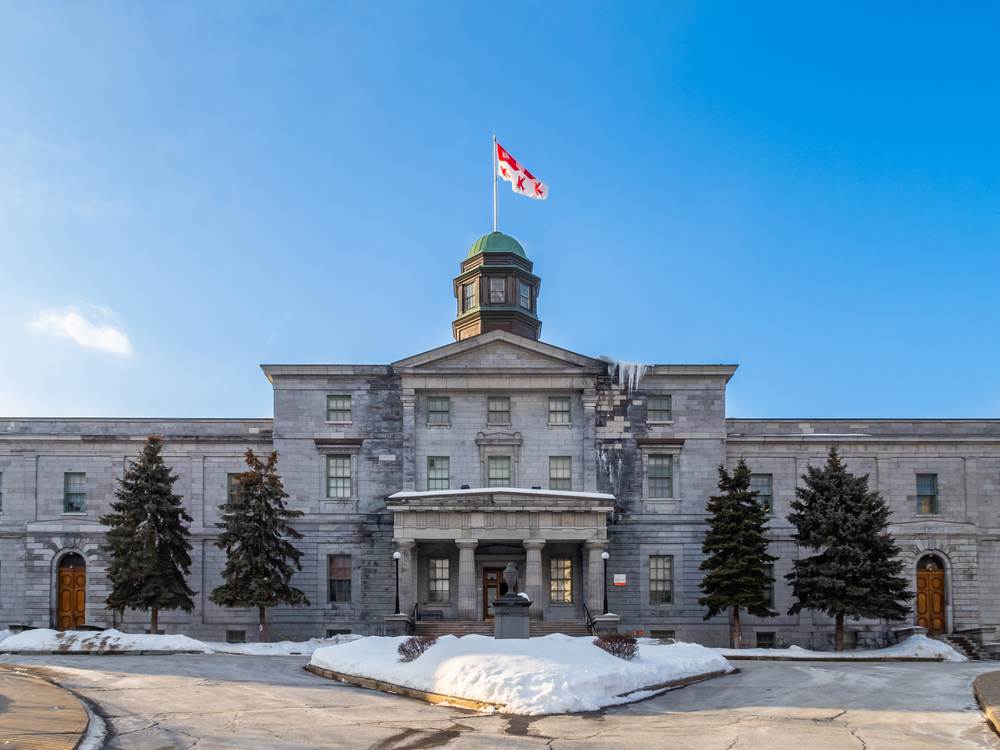
The biting wind, the mounds of snow, and the seemingly endless darkness- welcome to winter in Canada! This article addresses the anxieties and practical needs of international students experiencing their first winter in Canada. For international students, experiencing their first Canadian winter can be a shock. This survival guide aims to solve three core problems: Preparing for the cold, managing academic and social life, and embracing the winter experience.
Preparing for the Cold in the First Winter in Canada:
Canada’s winters are notorious. While temperatures vary significantly across this vast country, the winter months (typically December to March). In major southern cities like Toronto, Vancouver, and Montréal, daytime highs often hover around a manageable -5°C to 0°C (23°F to 32°F), though nights regularly dip to a brisk -10°C to -15°C (14°F to 5°F). Venture further north or inland to cities such as Edmonton or Winnipeg and you’ll encounter the more iconic deep cold, with January averages frequently sitting between -10°C to -20°C (14°F to -4°F), and occasional dips towards a truly frosty -30°C (-22°F) or lower, especially on clear nights. Snowfall is the season’s defining feature, blanketing the terrain in thick Canadian winter.
Therefore, proper preparation is essential. It’s not just about buying a coat; it’s about understanding how to dress and protect yourself from the first Canadian winter.
Winter gear and Accessories are Key to Surviving Winter in Canada.
Protecting your head, hands, and feet with appropriate winter gear and accessories is key to surviving the first winter in Canada. Here is a winter essentials checklist for international students to stay warm.
|
Item |
Description |
Where to Buy |
Estimated Cost (CAD) |
|
Winter Coat |
Waterproof and windproof, insulated. |
Department stores, outdoor retailers (e.g., MEC, Atmosphere) |
$150 – $500 |
|
Winter Boots |
Waterproof, insulated, and good traction. |
Shoe stores, outdoor retailers |
$80 – $200 |
|
Hat, Gloves, Scarf |
Warm, covering ears and extremities. |
Department stores, pharmacies |
$30 – $80 |
|
Base Layers |
Moisture-wicking (merino wool or synthetic). |
Outdoor retailers, sports stores |
$50 – $100 |
|
Moisturiser |
Heavy-duty for dry skin. |
Pharmacies, supermarkets |
$10 – $30 |
|
Lip Balm with SPF |
Protects lips from chapping and sun damage. |
Pharmacies, supermarkets |
$5 – $10 |
|
Light Therapy Lamp |
For SAD (optional). |
Online retailers, some pharmacies |
$50 – $150 |
Note:
1. Hats: Choose a hat that covers your ears.
2. Gloves or Mittens: Mittens generally keep your hands warmer than gloves.
3. Scarves: Protect your neck and face from the wind.
4. Winter Boots: Invest in waterproof and insulated boots with good traction. Slipping on ice is a common hazard.
Choosing the Right Winter Coat.
Investing in a high-quality winter coat is a worthwhile investment. Consider factors like insulation type (down or synthetic), length, and features like a hood and adjustable cuffs.
1. Down Coats: Offer excellent warmth but can lose insulating properties when wet.
2. Synthetic Coats: Retain warmth even when wet and are often more affordable.
3. Length: A longer coat provides more coverage and protection.
Layering is Critical to Surviving Winter in Canada.
The concept of layering is critical in Canada. Instead of relying on one bulky coat, wear multiple layers of clothing. This allows you to adjust to changing temperatures, especially when transitioning between the cold outdoors and heated indoor environments.
1. Base Layer: Moisture-wicking materials like merino wool or synthetic fabrics are best. These keep sweat away from your skin, preventing you from getting chilled.
2. Mid-Layer: Fleece or wool sweaters provide insulation and trap heat.
3. Outer Layer: A waterproof and windproof coat is essential. Look for one with a hood.
Protecting Your Skin
The cold, dry air can wreak havoc on your skin. Moisturise regularly, especially after showering.
1. Use a heavy-duty moisturiser on your face, hands, and body.
2. Apply lip balm with SPF to protect your lips from chapping and sun damage.
3. Consider using a humidifier in your room to add moisture to the air.
Understanding Wind Chill
The wind chill is a crucial factor to consider. It represents how cold the air feels on your skin when combined with the wind. A wind chill of -30°C (-22°F) can be dangerous, even if the actual temperature is higher. Stay informed about wind chill advisories and take extra precautions when necessary. Environment Canada provides forecasts and warnings for the first winter in Canada.
Surviving Your First Winter in Canada with Canadian Universities
University of Toronto (QS ranking 25)
Globally renowned as a research powerhouse, the University of Toronto (U of T) is the largest university in Canada. With a diverse student body as strong, the University of Toronto is across the humanities, sciences, social sciences, and professional faculties. Located in Canada’s largest city.
Winter Activities: Operates vibrant campus ice rinks, such as the Varsity Centre rink, offering free skate rentals and hot cocoa stations, creating lively social hubs for impromptu skating sessions under festive lights on frosty evenings.
McGill University (QS ranking 29)
With a highly international reputation, McGill University is located in the heart of Montréal. Known for strong research, a highly international student population, and excellence in medicine, law, management, and the sciences, McGill University is always a nice choice for international students to study.
Winter Activities: Features popular campus ice rinks like the lower field rink, providing complimentary skate hire and warming refreshments, fostering a convivial atmosphere for new international students to enjoy skating together during their first winter in Canada.
University of British Columbia(QS ranking 38)
The University of British Columbia(UBC) is a stunning campus bordering the Pacific Ocean and forests in Vancouver. Globally recognised for research excellence, sustainability leadership, and strengths in areas like forestry, computer science, business, and life sciences, UBC offers an exceptional West Coast lifestyle for its students.
Winter Activities: Leverages its proximity to world-class mountains by offering heavily discounted lift passes and convenient shuttle services to resorts like Whistler Blackcomb. This makes alpine skiing and snowboarding remarkably accessible and affordable for students seeking snowy adventures.
University of Alberta (QS ranking 96)
University of Alberta (U of A) is a major comprehensive research university located in Edmonton, Alberta. Known for its significant contributions to northern and cold regions research, UA has a strong reputation in engineering, energy-related fields, sciences, and artificial intelligence.
Winter Activities: Boasts a thriving intramural ice hockey league, maintaining dozens of mixed-skill teams across campus. This fosters friendly rivalry and teamwork and culminates in exciting matches for coveted campus trophies, providing great sporting fun throughout the winter.
McMaster University (QS ranking 176)
Located in Hamilton, Ontario, McMaster University is renowned for its innovative, student-centred approach and pioneering Problem-Based Learning (PBL) in health sciences. With a strong reputation in medicine, engineering, social sciences, and humanities, McMaster University is known for its significant research output.
Winter Activities: Runs organised guided snowshoeing treks through its scenic campus woodlands or nearby conservation areas. These outings are often thoughtfully paired with mindfulness sessions, promoting physical activity, mental well-being, and appreciation of the winter landscape.
University of Ottawa (QS ranking 189)
University of Ottawa (uOttawa) is one of the largest bilingual (English/French) universities in the world, situated in Canada’s capital city. Strong focus on public policy, international affairs, law, social sciences, and health sciences, the University of Ottawa offers unique opportunities linked to its proximity.
Winter Activities: Organises guided snowshoeing excursions, taking advantage of its location near the Rideau Canal and Gatineau Park. These activities encourage students to explore the first winter beauty in Canada of the region while promoting physical health and mental resilience, often incorporating wellness elements.
Read More: International Business Degrees in Canada: Top Universities, Suitability and Career Path
Navigating Academic and Social Life in the First Winter in Canada
Winter(especially the first winter in Canada) can impact your academic and social life. The shorter days and colder temperatures can make it challenging to stay motivated and connected in your studies in Canada. There are some useful survival tips for new international students studying in Canada.
Care about your mental and physical condition at school
1. Increase exposure to sunlight: Spend time outdoors during daylight hours or use a light therapy lamp.
2. Maintain a regular sleep schedule: Aim for consistent sleep and wake times.
3. Stay active: Regular exercise can help boost your mood and energy levels.
4. Seek professional help: If you’re struggling with some emotional issue, talk to a doctor or counsellor.
Staying Connected with People Around
It’s easy to become isolated during the winter. Make an effort to stay connected with friends and classmates.
1. Join clubs or groups: Participate in activities that interest you.
2. Attend campus events: Many universities host winter-themed events.
3. Stay in touch with family and friends back home: Regular video calls can help combat loneliness.
Adjusting to Shorter Days
The shorter days in the first Canadian winter can impact your energy levels and productivity. Optimise your study schedule and prioritise self-care.
1. Take advantage of daylight hours: Schedule outdoor activities or study sessions during the brightest part of the day.
2. Create a comfortable study environment: Ensure your study space is well-lit and warm.
3. Take breaks: Avoid burnout by taking regular breaks and engaging in relaxing activities.
Dealing with Transportation Challenges
Winter weather and the cold Canadian winter temperatures can make transportation more challenging. Plan and be prepared for delays.
1. Check the weather forecast: Before heading out, check the weather forecast for any warnings or advisories.
2. Use public transportation: Public transportation is often a safer option than driving in snowy or icy conditions.
3. Allow extra time: Be prepared for delays caused by weather conditions.
4. Dress warmly: If you’re waiting for a bus or train, dress warmly with specific winter clothing and gear to avoid getting cold.
Embracing the Winter Experience During the Winter Season
Instead of dreading winter, embrace the opportunities it offers. Canada is known for its winter activities and festivals. For many international students, taking the initiative to integrate into and adapt to their first winter in Canada will be positive and beneficial.
Trying Winter Sports with Winter Gear
Canada offers a wide range of winter sports. Take advantage of the opportunity to try something new.
1. Skiing and Snowboarding: Many ski resorts offer lessons for beginners.
2. Ice Skating: Most cities have outdoor ice rinks.
3. Snowshoeing and Cross-Country Skiing: Explore winter landscapes on snowshoes or cross-country skis.
4. Tobogganing: A fun and affordable activity for all ages.
Attending Winter Festivals
Canada hosts numerous winter festivals. These festivals offer a chance to experience Canadian culture and celebrate the season.
1. Winterlude (Ottawa): Features ice sculptures, skating, and other winter activities.
2. Quebec Winter Carnival (Quebec City): A historic festival with parades, ice sculptures, and snow baths.
3. Ice Magic Festival (Lake Louise): Showcases impressive ice sculptures.
Exploring Winter Landscapes
Winter transforms Canada’s landscapes into stunning winter wonderlands. Take time to explore the beauty of the season.
1. Visit National Parks: Many national parks offer winter activities and stunning scenery.
2. Go for a winter hike: Explore local trails in snowshoes or winter boots.
3. Take a scenic drive: Enjoy the beauty of snow-covered landscapes.
Enjoying Indoor Activities
Not every winter activity needs to be outdoors. There are plenty of indoor activities to enjoy during the colder months.
1. Visit museums and art galleries: Explore Canada’s cultural heritage.
2. Attend concerts and theatre performances: Enjoy live entertainment.
3. Try indoor rock climbing or swimming: Stay active indoors.
4. Learn to cook Canadian winter comfort food: Warm up with hearty stews and soups.
Notable Important Festivals in the First Winter in Canada
Canadian universities thoughtfully structure the winter semester with several cherished breaks and festivals, offering students vital opportunities for rest, celebration, and cultural connection amidst their studies.
Reading Week (Typically in February or March)
The most significant and widely anticipated pause is undoubtedly Reading Week, typically occurring in mid-February across most institutions. This week-long recess is a brilliant institution-wide hiatus designed specifically for students to catch up on coursework, revise for upcoming assessments, recharge mentally, or simply enjoy a well-deserved rest.
Many students seize the chance for short getaways, embracing winter sports like skiing in Whistler or exploring cities like Montréal or Québec City, whilst others relish the quieter campus for focused study or local relaxation.
Universities actively support this break, keeping key facilities like libraries and student centres open, often with extended hours or special wellness programmes, acknowledging their crucial role in combating winter fatigue and boosting academic resilience for the second half of the term. As highlighted by Universities Canada, over 95% of member universities schedule a formal Reading Week, recognising its profound impact on student wellbeing and academic success.
Semester Begins (Mid-December to Early January)
Preceding the semester’s start, the festive winter holiday period provides an extended break, usually spanning 3-4 weeks from mid-December to early January. This encompasses major celebrations like Christmas (25th December) and New Year’s Day (1st January), offering international and domestic students alike a generous stretch to travel home, reunite with family and friends, enjoy seasonal traditions, and fully detach from academic pressures before the winter term commences. Campus life slows significantly during this period, allowing for deep rest.
Family Day (The Third Monday in February)
Some provinces observe Family Day (celebrated in Ontario, Alberta, Saskatchewan, and British Columbia), which, falling close to or sometimes within Reading Week, often extends the break or provides an extra long weekend for local students to connect with family.
Other Celebrations of Festivals
Reflecting Canada’s rich multicultural tapestry, universities actively acknowledge and often facilitate celebrations for diverse cultural and religious festivals occurring during the semester, even if they don’t constitute formal academic breaks.
These include Diwali (the Festival of Lights, usually in October/ November), Hanukkah (the Jewish Festival of Lights, in December), and Lunar New Year (January/February, hugely significant for the large East and Southeast Asian student communities). Whilst classes typically proceed, student unions, cultural clubs, and university diversity offices host vibrant events – festive meals, cultural performances and information sessions – fostering inclusivity and allowing students to honour their traditions and share them with the wider community.
These celebrations provide essential moments of joy and communal bonding during the colder months. For instance, Canadian universities like the University of Toronto and the University of British Columbia host large-scale, well-attended Lunar New Year festivals featuring lion dances, food stalls, and fireworks, creating a palpable sense of excitement on campus.
Conclusion: Your Canadian Winter Adventure
Experiencing your first Canadian winter as an international student can be a challenging but rewarding experience. By preparing properly, staying connected, and embracing the winter season, you can survive the first winter in Canada. Don’t be afraid to ask for help from your university, friends, or family. Welcome to Canada, and enjoy your winter adventure!
FAQs
What month does snow start in Canada?
Although winter officially begins in December, snow can arrive as early as October and can last until April. In January and February, the coldest months, the temperature typically ranges between -2°C and -10°C with an average of -6°C, but with the wind it can often feel like -20°C.
Which is colder, Canada or the USA?
Most of the United States is located in the mid-latitudes, where the climate is moderate. Canada is colder because so much of it lies far north in the higher latitudes. Therefore, Canadian and the USA universities also offer practical assistance to students in winter, such as providing free coats and boots for international students (such as at the University of Saskatchewan) and guaranteed heated graduate housing near labs (MIT, University of Chicago).
Why is Canada so cold compared to Europe?
The warm waters of the Gulf Stream transfer heat to the atmosphere, leading to milder winter temperatures across much of Europe. In contrast, northeastern Canada is influenced by cold air masses and lacks a comparable warm ocean current, resulting in harsher winter conditions. However, like Canadian universities, universities in European countries such as Italy also offer winter assistance to international students. For example, provide in-kind assistance and have the International Office distribute welcome packages for freshmen containing blankets and hand warmers (University of Florence).
Read More: Studying Affordably in Italy: Discover Italy’s Cheap Universities for International Students

As the lead contributor to this platform, I bring over 15 years of experience navigating the dynamic landscape of higher education. Through this platform, I deliver rigorously researched content on emerging trends in studying abroad, lifelong learning and cross-cultural competency development. Every article integrates practical knowledge, study resources, and case studies that empower stakeholders to make informed decisions.