
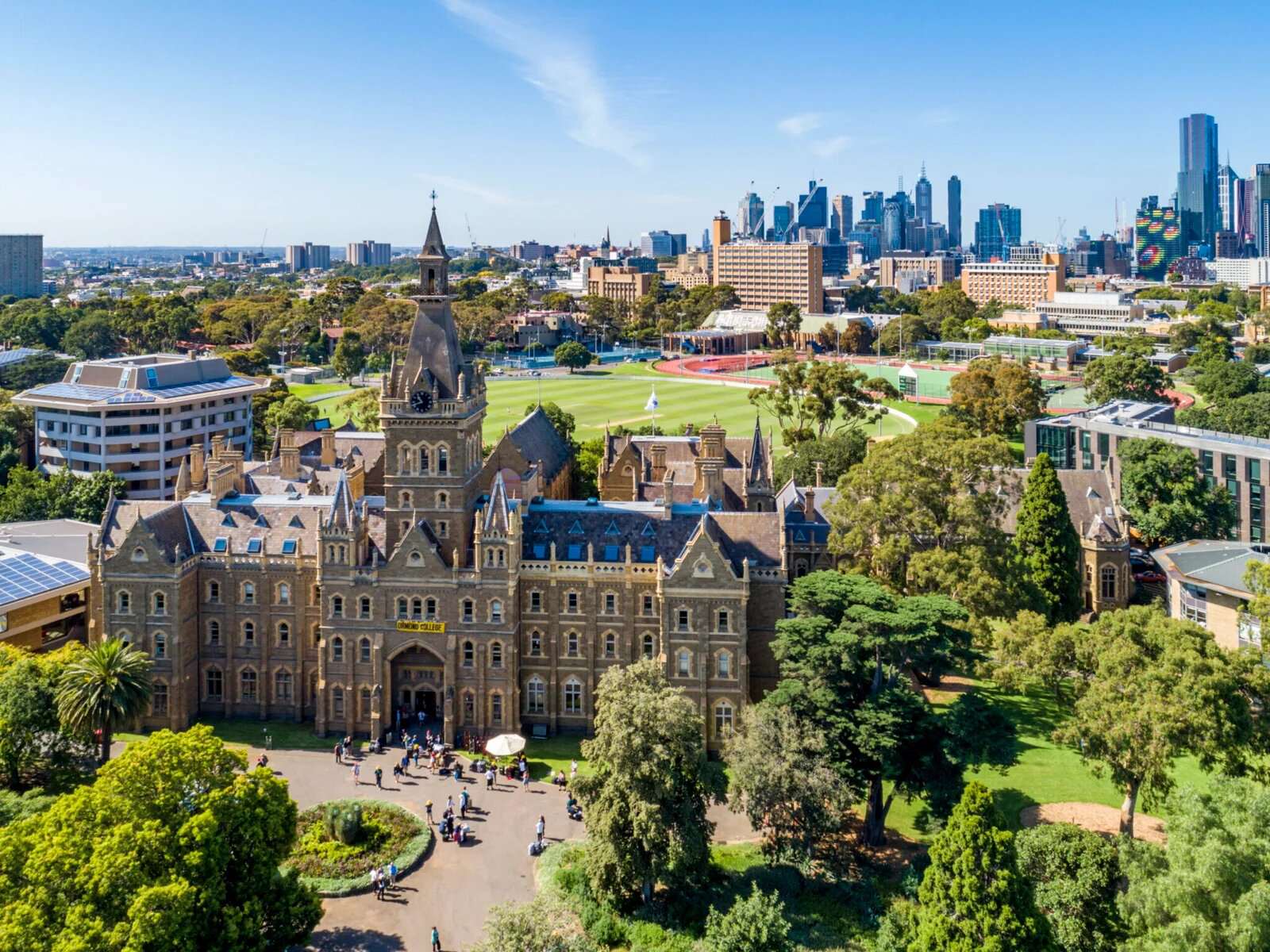
Choosing the best universities for Master’s in physiotherapy in Australia represents one of the most important decisions for aspiring healthcare professionals.
Australia’s reputation for excellence in physiotherapy education continues to attract thousands of international students annually. With over 30 universities offering world-class programmes, the country provides exceptional opportunities for both academic growth and practical experience.
Why Choose Australia for Your Physiotherapy Master’s?
Academic Excellence and Global Recognition
Australian universities consistently rank among the world’s top institutions for health sciences education.
In particular, the University of Sydney’s Master of Physiotherapy programme ranks 4th globally in QS subject-related rankings.
Similarly, other leading institutions maintain exceptional standards, ensuring graduates receive internationally recognised qualifications.
Moreover, Australia’s physiotherapy industry demonstrates remarkable strength, with a market size exceeding 2.2 billion AUD as of 2020.
Consequently, graduates from Australian institutions enjoy excellent employment prospects, with starting salaries averaging 92,000 AUD per annum.
Additionally, the industry predicts over 2,600 new job openings for skilled physiotherapists by 2026, making this an opportune time to pursue advanced qualifications.
AHPRA Accreditation and Registration Process
All accredited physiotherapy master’s programs in Australia meet stringent standards set by the Australian Physiotherapy Council.
Subsequently, graduates become eligible for registration with the Australian Health Practitioner Regulation Agency (AHPRA).
This registration enables practice throughout Australia and New Zealand, significantly expanding career opportunities.
Read More: New Zealand vs Australia- How to Know Which is better for studying abroad.
QS-Ranked Australian Universities for Physiotherapy Master’s
University of Sydney: Leading the Way
The University of Sydney stands out among QS-ranked Australian universities for physiotherapy master’s, holding the prestigious 4th position globally.
Notably, their Master of Physiotherapy programme offers a comprehensive two-year curriculum covering musculoskeletal, neurological, and cardiopulmonary physiotherapy across the lifespan.
Additionally, students benefit from state-of-the-art facilities and proximity to Sydney’s bustling healthcare sector.
University of Melbourne: Research Excellence
Melbourne’s Doctor of Physiotherapy programme demonstrates exceptional quality through its three-year, full-time structure.
Specifically, students complete approximately 37 weeks of clinical placement across major metropolitan teaching hospitals, primary care, and rural settings.
Moreover, the programme emphasises innovative teaching methods and advanced skills development, creating highly employable graduates.
University of Queensland: Comprehensive Curriculum
The University of Queensland, consistently ranked in the global top 50, offers outstanding physiotherapy education.
Particularly, their programme features comprehensive courses such as Foundations of Physiotherapy Practice and Systematic Anatomy.
Furthermore, students access simulated patient programmes in UQ’s dedicated Physiotherapy Clinics, enhancing practical learning experiences.
Read More: Unveiling The Top Physiotherapy Universities in Australia: A Practical Guide to Choosing Your Path
Top Melbourne Universities for Physiotherapy Postgraduate Studies
Melbourne emerges as a premier destination for top Melbourne universities for physiotherapy postgraduate studies, offering exceptional educational opportunities and clinical experiences.
University of Melbourne’s Distinguished Programme
The University of Melbourne’s Department of Physiotherapy celebrates over 25 years of excellence in physiotherapy education.
Consequently, their Doctor of Physiotherapy draws upon the university’s reputation for research excellence.
Additionally, the programme incorporates clinical placements in major metropolitan teaching hospitals, ensuring diverse practical experience.
Monash University: Largest Public Institution
Monash University, Australia’s largest public higher education institution, provides extensive physiotherapy education opportunities.
Notably, their Bachelor of Physiotherapy (Honours) includes 27 weeks of clinical placements at prestigious locations, including Monash Health and the Royal Children’s Hospital.
Furthermore, students benefit from hands-on experience in simulated clinical environments.
La Trobe University: World-Renowned Excellence
La Trobe University offers a world-renowned Master of Physiotherapy Practice programme.
Specifically, this qualification prepares graduates for contemporary healthcare challenges while maintaining strong industry connections.
Additionally, the programme emphasises evidence-based practice and professional development.
Australian Physiotherapy Master’s Courses with Clinical Placements
Extensive Practical Experience
Australian physiotherapy master’s courses with clinical placements prioritise hands-on learning through substantial practical components.
Typically, programmes include between 700 to 1,000 hours of supervised clinical experience.
Moreover, these placements span diverse settings including metropolitan hospitals, private practices, and rural healthcare facilities.
Clinical Placement Requirements for the Physiotherapy Master’s
Clinical placement requirements for physiotherapy master’s programmes include comprehensive health clearances and immunisation records.
Additionally, students must complete Working with Children Checks and criminal history clearances.
Furthermore, universities provide detailed preparation programmes to ensure student readiness for clinical environments.
Strategic Placement Partnerships
Universities maintain strong partnerships with leading healthcare providers, ensuring quality placement opportunities.
For instance, the University of Melbourne collaborates with Melbourne Health, Austin Health, and Western Health.
Similarly, other institutions establish relationships with major hospital networks, providing students with diverse clinical experiences.
Project Exhibition of the Best Universities for Master’s in Physiotherapy in Australia
Sports Physiotherapy Specialisations in Master’s Programmes
1. Advanced Specialisation Options
Many programmes incorporate sports physiotherapy specialisations in master’s programmes, preparing graduates for careers in sports medicine and athletic performance.
Particularly, these specialisations focus on injury prevention, performance optimisation, and rehabilitation techniques specific to athletic populations.
2. Australian Catholic University’s Sports Excellence
Australian Catholic University offers a Master of Sports and Exercise Physiotherapy, specifically designed for advanced practitioners.
Moreover, this programme addresses contemporary challenges in sports medicine while maintaining strong industry connections.
Additionally, graduates pursue careers with professional sporting organisations and elite athletic programmes.
Neurological Physiotherapy Curriculum in Australian Universities
1. Comprehensive Neurological Training
Neurological physiotherapy curriculum in Australian universities addresses the growing demand for specialised neurological rehabilitation services.
Specifically, programmes cover conditions such as stroke, Parkinson’s disease, spinal cord injuries, and traumatic brain injuries.
Furthermore, students learn evidence-based assessment and treatment approaches for complex neurological presentations.
2. Research Integration
Universities integrate cutting-edge research into neurological physiotherapy education.
Consequently, students have access to the latest treatment techniques and technological advances. Additionally, many programmes offer research opportunities, allowing students to contribute to advancing neurological rehabilitation knowledge.
Research-Focused Physiotherapy Master’s Degrees
1. Academic Pathways
Research-focused physiotherapy master’s degrees prepare graduates for academic and research careers within healthcare.
Particularly, these programmes emphasise critical thinking, research methodology, and evidence-based practice.
Moreover, students often complete substantial research projects under expert supervision.
2. Industry Collaboration
Universities maintain strong research partnerships with healthcare providers and industry organisations. Consequently, students access real-world research opportunities addressing contemporary healthcare challenges.
Additionally, these collaborations often lead to employment opportunities and career advancement.
University Costs and Entry Requirements
Tuition Fee Considerations
Understanding the financial investment required for physiotherapy education remains crucial for prospective students. Generally, international student fees range from $45,000 to $65,000 (AUD) annually for physiotherapy master’s programmes.
However, domestic students accessing Commonwealth Supported Places pay significantly reduced amounts.
Academic Prerequisites
Most programmes require completion of prerequisite subjects, including human anatomy and physiology. Additionally, universities typically mandate minimum Grade Point Averages (GPAs) of 5.0 to 6.5 on a 7.0 scale.
Furthermore, many institutions require Multi-Mini Interviews (MMI) as part of the selection process.
English Language Requirements
International students must demonstrate English proficiency through recognised testing.
Typically, universities require IELTS Academic scores of 7.0 overall, with a minimum of 7.0 in each component. Alternatively, equivalent TOEFL or PTE scores may satisfy language requirements.
Read More: IELTS vs PTE vs TOEFL Score Comparison: Which Test is Right for You?
Scholarship Opportunities for Physiotherapy Master’s in Australia
Government and University Scholarships
Numerous scholarship opportunities for physiotherapy master’s in Australia support both domestic and international students.
Significantly, over 500 scholarships remain available for physiotherapy students across Australian institutions.
Additionally, many universities automatically consider international applicants for scholarships offering up to 20% fee reductions.
Commonwealth Supported Places
Domestic students may access Commonwealth Supported Places (CSP), where the Australian Government subsidises substantial portions of tuition fees.
Consequently, students pay only the student contribution amount, significantly reducing the financial burden.
Specific University Scholarships
Individual universities offer targeted scholarships for physiotherapy students.
For example, the University of Technology Sydney provides full-time stipends of $27,082 per annum for research students.
Similarly, other institutions offer merit-based scholarships recognising academic excellence and community involvement.
Career Prospects and Employment Outcomes
Strong Employment Rates
Graduates from Australian physiotherapy programmes enjoy exceptional employment outcomes.
Specifically, Australian physiotherapy master’s graduates have high employment rates, with most securing positions within six months of graduation.
Additionally, the healthcare sector’s continued growth ensures sustained demand for qualified physiotherapists.
Diverse Career Pathways
Physiotherapy graduates pursue careers across various healthcare settings, including hospitals, private practices, sporting organisations, and rehabilitation centres.
Moreover, opportunities exist in specialised areas such as paediatrics, geriatrics, and occupational health.
Furthermore, some graduates advance to management, research, or academic positions.
Salary Expectations
Entry-level physiotherapists typically earn around AUD 92,000 annually, with experienced practitioners commanding salaries up to AUD 170,000.
Additionally, specialists in areas such as sports physiotherapy or neurological rehabilitation often earn premium salaries.
Furthermore, private practice opportunities allow unlimited earning potential based on patient volume and specialisation.
Future Outlook and Industry Trends for Physiotherapy Master’s in Australia
Growing Healthcare Demands
Australia’s ageing population creates increasing demand for physiotherapy services.
Consequently, career prospects remain exceptionally strong for qualified physiotherapists.
Additionally, emerging areas such as telehealth and digital rehabilitation offer new opportunities for innovative practitioners.
Technology Integration
Modern physiotherapy education increasingly incorporates advanced technologies, including virtual reality, wearable devices, and AI-assisted assessment tools.
Furthermore, universities update curricula regularly to ensure graduates remain current with technological advances.
Practical Methods to Select the Best Physiotherapy Program in Australia
Evaluate Accreditation and Registration Pathways
First and foremost, ensure the program is accredited by the Australian Physiotherapy Council.
While most leading universities meet this criterion, double-checking avoids future barriers to professional registration.
Registration with the Physiotherapy Board of Australia is necessary to legally practice physiotherapy in the country.
Assess Curriculum Quality and Clinical Exposure
Look for universities that offer a curriculum blending evidence-based practice, manual therapy, exercise prescription, and the latest in neurorehabilitation.
Theoretical education is important, but physiotherapy requires competent hands-on clinical skills gained through diverse placements. Check the number and variety of clinical placement weeks.
Prioritise programmes that partner with multiple hospitals, community health centres, and private practices.
Explore if the programme offers rural or specialised placements, which enrich experience and employability.
Unique Perspectives on Choosing a Physiotherapy University in Australia
Beyond Rankings: The Value of Clinical Learning Environment
The clinical environment where students complete placements often shapes their competence and confidence more than university prestige alone.
For instance, universities affiliated with tertiary hospitals and specialised rehabilitation centres often provide richer exposure to complex cases than smaller regional placements.
If possible, connect with current students or recent graduates on social media or university forums to get authentic feedback on their clinical learning experiences.
This insight can reveal how well theoretical teaching translates into clinical practice.
Consider Your Long-Term Career Goals
Australia’s Master’s in Physiotherapy often leads to a generalist qualification, so specialise post-graduation based on interest and workplace opportunities.
If you are interested in sports physiotherapy, universities located in cities with major sports institutes (e.g., Melbourne with the Australian Institute of Sport presence) might offer extra workshops and networking possibilities.
For neurological rehab or paediatrics, explore research centres affiliated with the academic institution.
Matching university strengths with your career goals can save time and enhance professional development.
Navigating International Student Challenges
Many international students face hurdles in clinical placement logistics and cultural adjustment during hands-on training.
From conversations with international graduates, early engagement with university student services and clinical coordinators is crucial.
Securing placements that match language proficiency and cultural comfort levels while still challenging skills is a delicate balance that universities can assist with.
Also, consider living costs and scholarships. Some institutions offer financial aid specific to healthcare postgraduate students, which can substantially ease the financial burden during the intensive two-year period.
Optimising Study-Life Balance and Mental Health
The demands of a physiotherapy Master’s are significant, requiring long hours of study, practical work, and sometimes shift-based clinical placements.
Universities with active student wellness programmes, peer support groups, and counselling services can be invaluable resources.
Conclusion
Selecting from the best universities for Master’s in physiotherapy in Australia opens doors to exceptional career opportunities in a thriving healthcare industry.
With world-class education, comprehensive clinical training, and strong employment prospects, Australian physiotherapy programmes represent excellent investments in professional development.
The investment in quality education ultimately yields exceptional returns through rewarding careers dedicated to improving patient health and well-being.
FAQs
Which Australian university offers the best physiotherapy master’s for sports rehabilitation?
Australian Catholic University’s Master of Sports and Exercise Physiotherapy stands out for sports rehabilitation specialisation. Additionally, the University of Queensland offers excellent sports physiotherapy pathways within its comprehensive programme.
Is the University of Sydney’s physiotherapy master’s program fully accredited?
Yes, the University of Sydney’s Master of Physiotherapy maintains full accreditation from the Australian Physiotherapy Council. Consequently, graduates qualify for AHPRA registration and professional practice throughout Australia.
How to choose between the University of Melbourne and Monash for a physiotherapy master’s?
Consider programme structure (Melbourne offers a 3-year Doctor of Physiotherapy versus traditional master’s options), clinical placement opportunities, research focus, and campus location preferences. Additionally, evaluate specific specialisation interests and career goals.

As the lead contributor to this platform, I bring over 15 years of experience navigating the dynamic landscape of higher education. Through this platform, I deliver rigorously researched content on emerging trends in studying abroad, lifelong learning and cross-cultural competency development. Every article integrates practical knowledge, study resources, and case studies that empower stakeholders to make informed decisions.